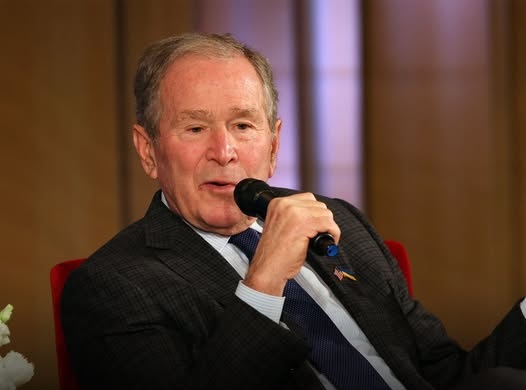
Assessing presidential performance is complex and inherently shaped by historical context. Scholars typically evaluate presidents based on leadership during crises, economic management, respect for democratic institutions, and the lasting impact of their policies. While opinions vary, certain presidents consistently rank lower in historical surveys and academic analyses.
This article examines ten U.S. presidents who are frequently cited by historians as among the most controversial or least effective, based on documented outcomes and scholarly research rather than contemporary political debate.
Andrew Johnson (1865–1869)
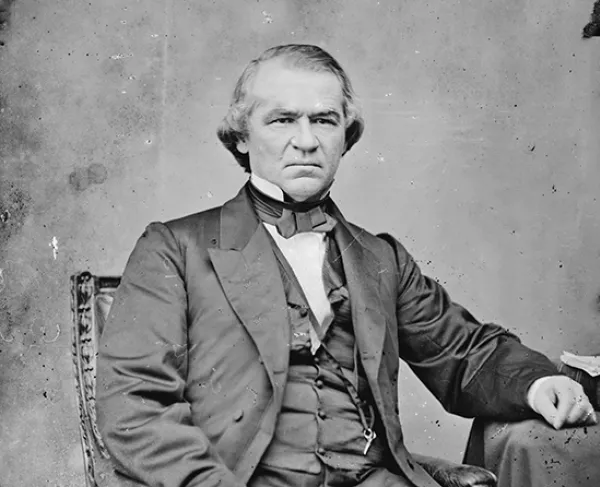
Andrew Johnson assumed the presidency after the assassination of Abraham Lincoln, during the turbulent period following the Civil War. His administration was responsible for overseeing Reconstruction, a process intended to reunite the nation and address the rights of formerly enslaved people.
Johnson clashed repeatedly with Congress, opposing legislation aimed at expanding civil rights and protecting African Americans in the South. His lenient policies toward former Confederate leaders allowed many to regain political influence quickly. These conflicts culminated in his impeachment in 1868, though he narrowly avoided removal from office. Many historians argue that Johnson’s approach slowed progress toward racial equality and weakened Reconstruction efforts.
James Buchanan (1857–1861)
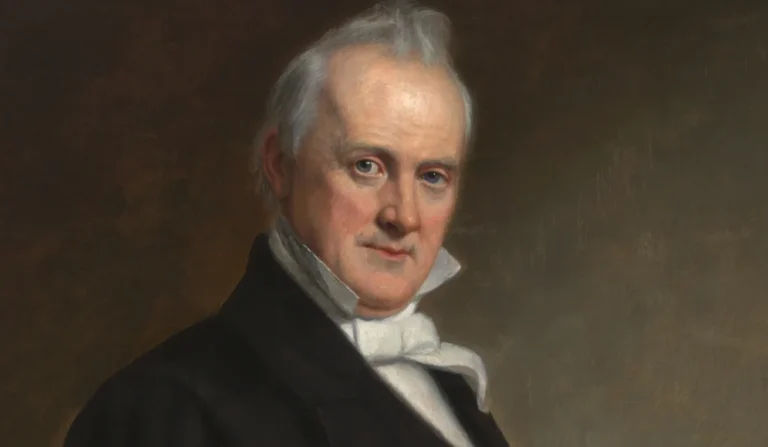
James Buchanan served during the years immediately preceding the Civil War. His presidency is often criticized for failing to address escalating tensions over slavery and sectional division.
Buchanan believed that compromise and limited federal involvement would preserve national unity. However, his reluctance to act decisively as Southern states moved toward secession left the nation unprepared for conflict. Historians frequently rank Buchanan among the least effective presidents due to his inability to manage the crisis that ultimately led to war.
Herbert Hoover (1929–1933)
Herbert Hoover’s presidency coincided with the onset of the Great Depression. Although he had a strong background in public service, his response to the economic collapse has been widely debated.
Hoover favored limited federal intervention and relied on voluntary cooperation from businesses and local governments. As economic conditions worsened, unemployment rose sharply and financial institutions failed. While historians acknowledge that the Depression had global causes, many conclude that Hoover’s policies and communication style contributed to public dissatisfaction and economic instability.
Richard Nixon (1969–1974)
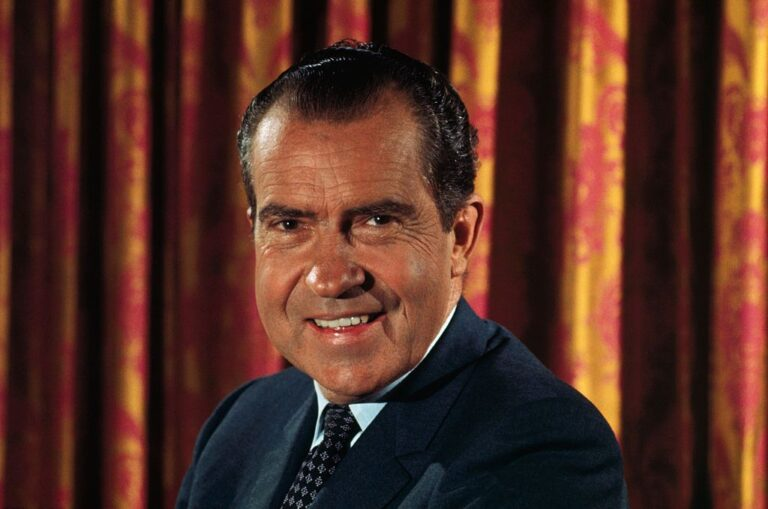
Richard Nixon achieved significant foreign policy successes, including improving relations with China and negotiating arms control agreements with the Soviet Union. However, his presidency is overshadowed by the Watergate scandal.
Investigations revealed abuses of power and efforts to obstruct justice, ultimately leading Nixon to resign in 1974. Historians often cite the erosion of public trust and the constitutional crisis created by Watergate as defining features of his legacy.
Andrew Jackson (1829–1837)
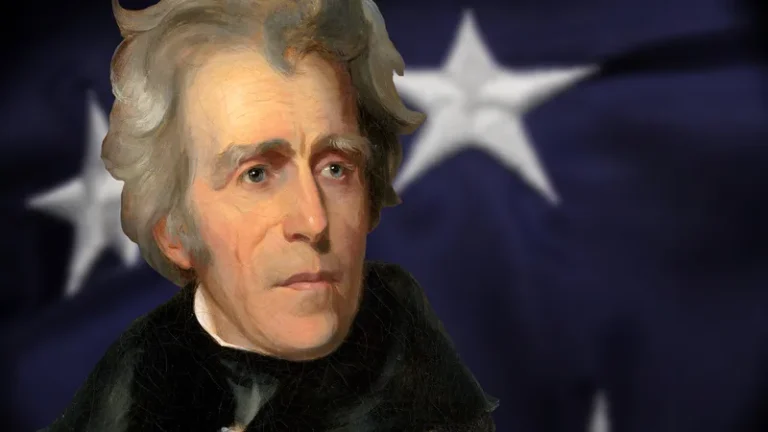
Andrew Jackson is a highly polarizing figure in U.S. history. Supporters credit him with expanding political participation for white male voters and strengthening executive authority.
Critics, however, focus on his policies toward Native American tribes, particularly the Indian Removal Act of 1830. The forced relocations that followed resulted in widespread suffering and loss of life. Jackson’s disregard for Supreme Court rulings and his aggressive use of executive power have led many historians to reassess his presidency critically.
George W. Bush (2001–2009)
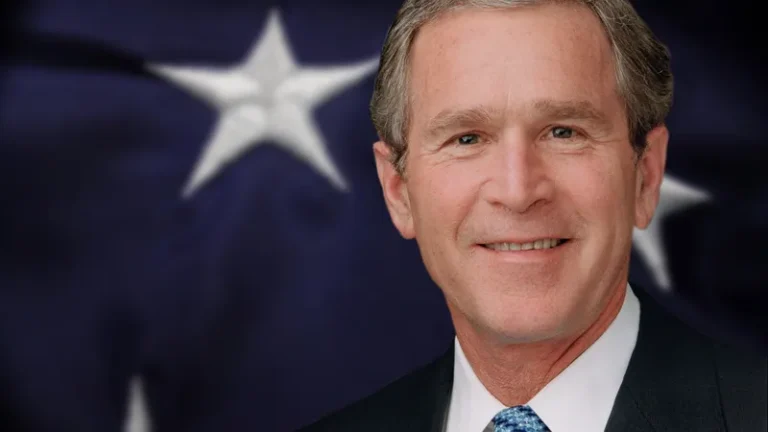
George W. Bush’s presidency was shaped by the September 11, 2001 terrorist attacks and the subsequent War on Terror. His administration launched military campaigns in Afghanistan and Iraq.
The 2003 invasion of Iraq, based on intelligence that later proved inaccurate, remains one of the most debated decisions of the era. Domestically, Bush faced criticism over the federal response to Hurricane Katrina and the 2008 financial crisis. While supporters emphasize his leadership after 9/11, historians continue to debate the long-term consequences of his policies.
Lyndon B. Johnson (1963–1969)
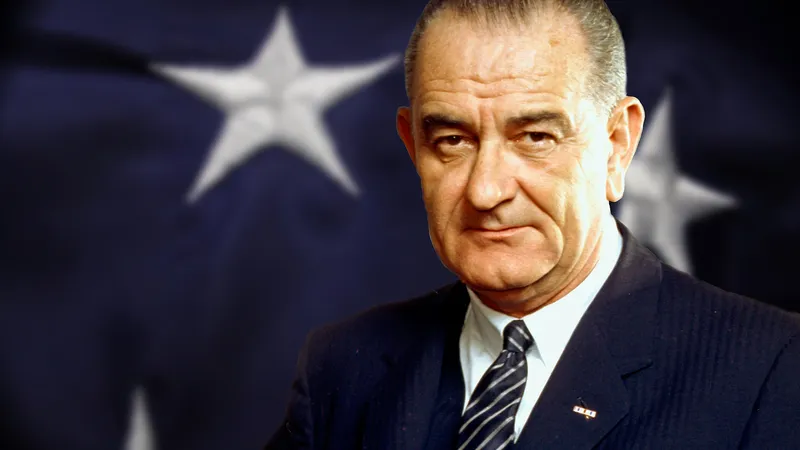
Lyndon B. Johnson is remembered for significant domestic achievements, including major civil rights legislation and social programs under the “Great Society.”
However, his presidency is also closely associated with the escalation of the Vietnam War. The growing conflict led to widespread protests and declining public trust. While his domestic record is often praised, historians note that Vietnam had a lasting impact on his overall legacy.
Jimmy Carter (1977–1981)
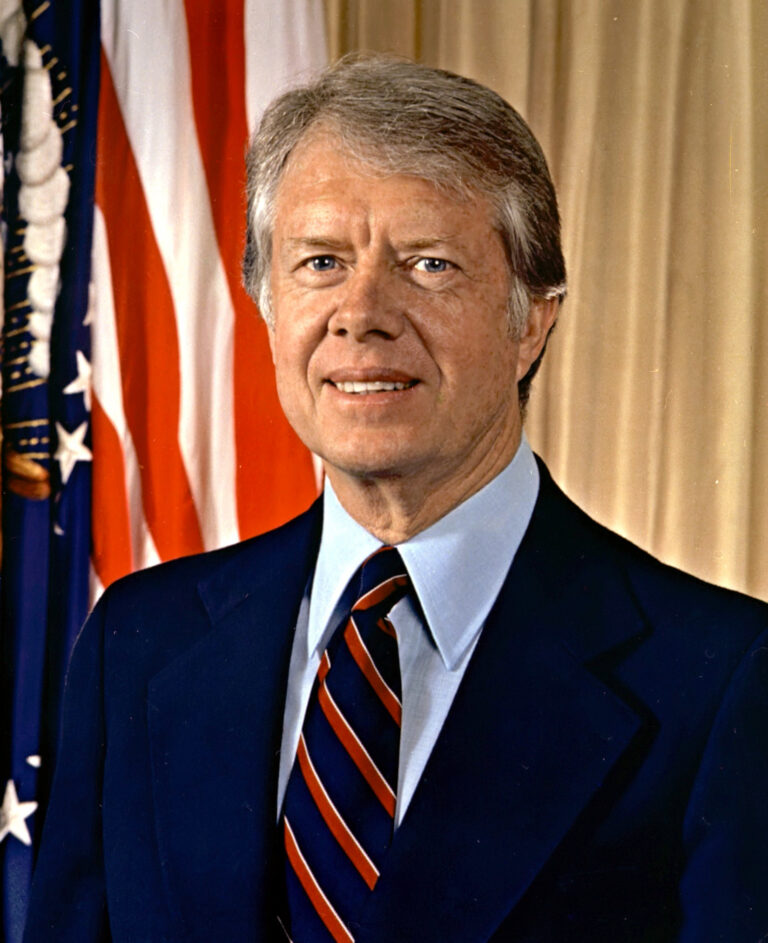
Jimmy Carter entered office emphasizing ethical leadership and human rights. His administration helped broker the Camp David Accords, a landmark peace agreement between Egypt and Israel.
Despite this success, Carter faced economic challenges including high inflation, unemployment, and an energy crisis. The Iran hostage crisis further strained public confidence. While Carter is widely respected for his post-presidency work, historians often view his time in office as marked by limited effectiveness in managing economic and foreign policy challenges.
Barack Obama (2009–2017)
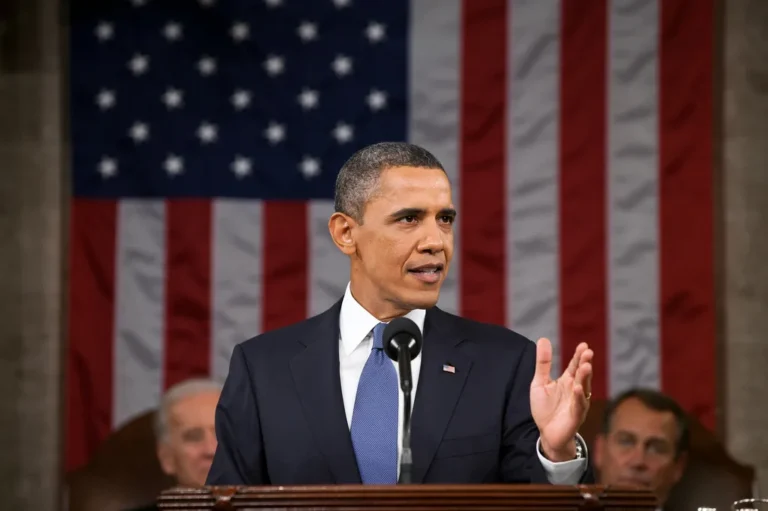
Barack Obama took office during a major financial crisis. His administration prioritized economic recovery and enacted the Affordable Care Act, which expanded healthcare coverage to millions of Americans.
Supporters credit his leadership with stabilizing the economy and advancing healthcare reform. Critics point to ongoing conflicts in the Middle East, expanded drone operations, and unresolved instability in regions such as Syria and Libya. As a result, Obama’s historical ranking varies widely depending on evaluation criteria.
Richard Nixon (Long-Term Historical Impact)
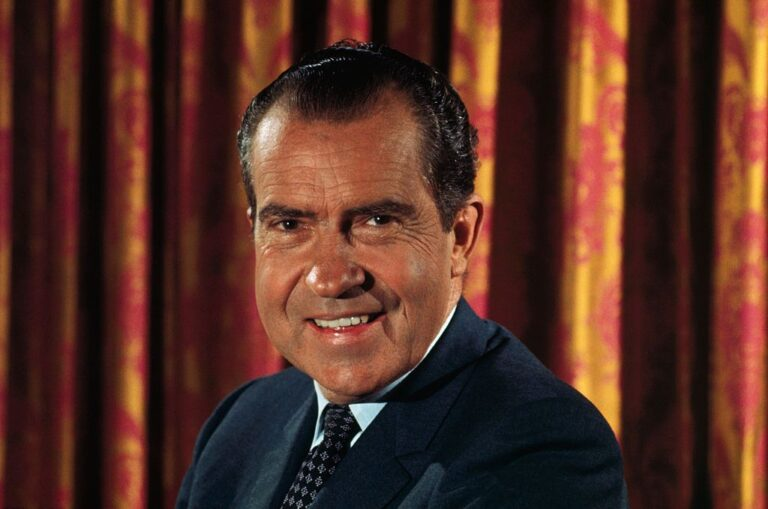
Beyond his resignation, Nixon’s presidency had lasting effects on American politics. The Watergate scandal led to reforms aimed at increasing transparency, strengthening oversight, and limiting executive power. Historians often cite the long-term loss of public trust as one of the most significant consequences of his administration.
Understanding Presidential Criticism
Labeling a president as ineffective or controversial is not a simple task. Each administration operates within unique historical circumstances shaped by economic conditions, global events, and social change. Many decisions viewed negatively today were made under intense pressure and uncertainty.
Historians generally evaluate presidents based on leadership, crisis response, respect for democratic norms, and long-term national impact. In many cases, reputations are shaped by patterns of decision-making rather than single events.
Lessons from History
Examining presidential shortcomings provides valuable insight into the responsibilities of leadership and the consequences of executive power. From Reconstruction to modern foreign policy challenges, these administrations highlight the importance of accountability, adaptability, and respect for democratic institutions.
Understanding past controversies is not about assigning blame alone, but about learning how leadership decisions can shape a nation’s future. By studying these examples, citizens and leaders alike can better understand the standards by which presidential leadership is judged.