
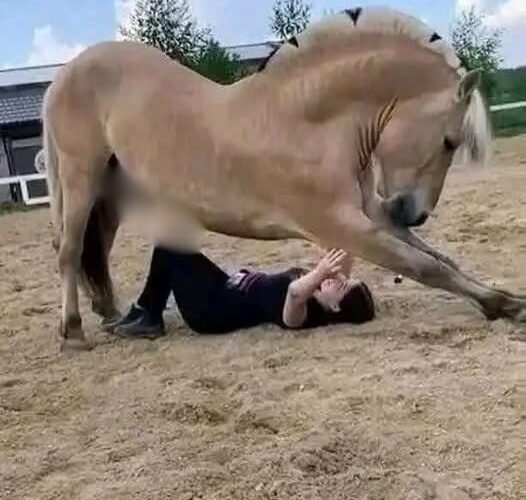

Why Horse-Related Injuries Can Happen
Horses are powerful animals, and accidents can occur in several ways.
A rider may lose balance and fall, while someone standing nearby could be injured if a horse becomes frightened or moves suddenly. Injuries can also occur while leading, grooming, feeding, or otherwise handling a horse.
Importantly, an accident does not necessarily mean that a horse was aggressive or poorly trained. Animals can react unpredictably, particularly when they are startled or uncomfortable.
Why Children Need Extra Supervision
Children may have less experience recognizing changes in an animal’s behavior.
Adults supervising young riders or children around horses can help by teaching them to approach animals calmly, follow instructions from experienced handlers, and remain aware of their surroundings.
Protective equipment is also important for riders. A properly fitted riding helmet designed for equestrian activities can help reduce the risk of certain head injuries during falls.
What Should You Do After an Accident?
The appropriate response depends on what happened and the person’s symptoms.
After a significant fall or impact, especially one involving the head, neck, or back, it is important to seek appropriate medical evaluation rather than assuming an injury is minor.
Emergency medical attention may be necessary if someone loses consciousness, has difficulty breathing, experiences severe pain, becomes confused, has a seizure, or develops other serious or rapidly worsening symptoms.
Even when an injury initially appears minor, symptoms can sometimes become more noticeable later. Following advice from qualified medical professionals is therefore important.
Horse Safety Is About More Than Riding
Safety around horses begins before someone gets into the saddle.
Children should learn basic rules for approaching and handling horses and should be supervised by adults with appropriate experience. The animal’s environment also matters, including fencing, footing, equipment, and the presence of other animals or distractions.
Experienced instructors can provide guidance on safe riding techniques and appropriate equipment.
A Reminder for Parents and Riders
A hospitalization following a horse-related accident can be frightening for a family, but individual cases should not be used to assume that every horse or riding activity is dangerous.
With proper instruction, suitable equipment, appropriate supervision, and attention to the animal’s behavior, many risks can be reduced.
The reported incident is ultimately a reminder that horses deserve to be treated with care and respect because they are large, powerful animals whose behavior can sometimes change unexpectedly.
When children are around horses, preparation and supervision can make an important difference.