 Curious & Viral
Think You Know What You’re Looking At?
These Photos Might Surprise You
Optical Illusions: When Your Brain Gets Fooled by Reality
Some images don’t just capture a moment—they trick your brain into questioning what you see. At first glance, everything looks normal. But then something feels off. Your mind hesitates, examines, and suddenly realizes that perception isn’t always what it seems.
How Our Brains Interpret the World
Human perception is designed for efficiency, not perfection. Your brain fills in gaps, predicts outcomes, and simplifies visuals so you can react quickly. Most of the time, this works flawlessly: you recognize faces, judge distances, and navigate environments almost effortlessly.
But when perspective, lighting, alignment, or timing are unusual, your brain’s shortcuts can lead to misleading interpretations. This is the magic behind optical illusions and confusing photographs—they expose the hidden assumptions your mind relies on.

Forced Perspective and Mind Tricks
Take forced perspective, for example. A person might appear squeezed into an impossibly tiny space. Your brain calculates proportions based on surroundings, and when things don’t match, confusion sets in. With a closer look, the illusion resolves: distance and angle distorted the scene, making the impossible seem real.
Animals and objects also create fun illusions. A cat perfectly aligned with a background might appear to float, while an owl captured at a certain angle can resemble a giant, eerie moth. Even everyday items, like a bottle or toy, can look massive or animate depending on placement, lighting, and timing.
Timing, Reflections, and Scale
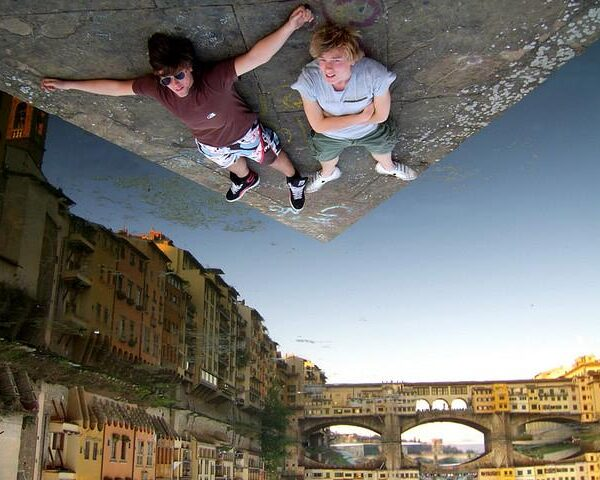
Timing plays a huge role. A photo captured at just the right (or wrong) moment can make objects interact in ways that seem physically impossible. Reflections, like mirrored buildings, can flatten depth, while fog or mist can make structures appear ghostly or transparent. Scale tricks also fool the mind—small objects close to the camera seem enormous, and distant items shrink.
 Up Next: Page 2 of 2
Shadows, Light, and Color
Shadows, lighting, and color contrast can dramatically change how your brain interprets a scene. A shadow can make objects appear larger, smaller,...
Continue Reading