 Health
You’ve Been Eating Bananas Wrong?
The Truth Is More Interesting
Bananas are one of the easiest fruits to include in an everyday diet.
They're naturally sweet, convenient, inexpensive in many places, and require almost no preparation. You can eat one on its own, add it to oatmeal or yogurt, blend it into a smoothie, or use it in cooking and baking.
But what actually happens when you regularly include bananas in your diet?
The answer is more interesting than the idea that bananas are simply a “healthy food.”
Bananas Provide Several Useful Nutrients
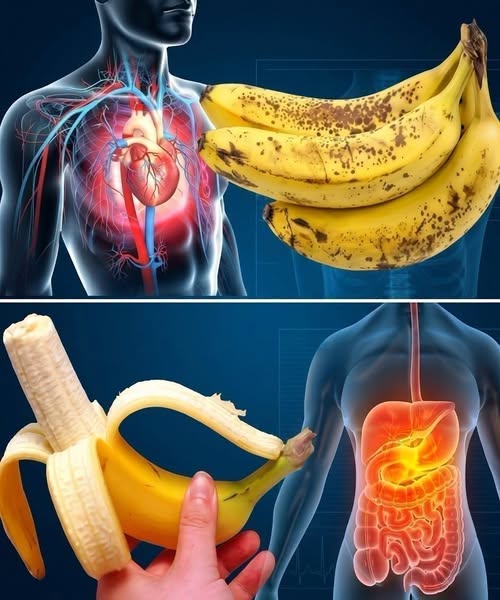
Bananas contain carbohydrates, dietary fiber, potassium, vitamin B6, and other nutrients.
The exact nutritional content varies depending on the size and ripeness of the fruit, but a banana can contribute to your overall intake of several important nutrients.
Potassium, for example, plays a role in normal muscle and nerve function and helps maintain fluid balance in the body.
However, eating a banana isn't a substitute for a varied diet.
Your Digestion May Notice the Difference
Bananas contain dietary fiber, which can contribute to normal digestive health.
The type of carbohydrate and starch in a banana also changes as the fruit ripens. Less-ripe bananas contain more resistant starch, while ripening converts more of that starch into simpler sugars.
Because people respond differently to foods, some individuals may find that very ripe bananas are easier to digest, while others may prefer less-ripe fruit.
If eating bananas causes repeated digestive discomfort, paying attention to portion size and individual tolerance may be helpful.
They Can Be a Convenient Source of Energy
Because bananas contain carbohydrates, they can provide a convenient source of energy.
That's one reason they are popular as a snack before or after physical activity.
A banana can also be combined with foods containing protein or healthy fats—for example, yogurt, nuts, or nut butter—to create a more substantial snack.
Ripeness Changes More Than the Taste
A green banana and a fully ripe banana can taste quite different.
As bananas ripen, their starches gradually break down into sugars, making the fruit softer and sweeter.
This doesn't mean one stage is universally “better” than another.
The best choice depends on your taste, digestive tolerance, and how you plan to use the fruit.
 Up Next: Page 2 of 2
What About Potassium?
Bananas are well known for their potassium content, but they're not the only source of this mineral.
Continue Reading