
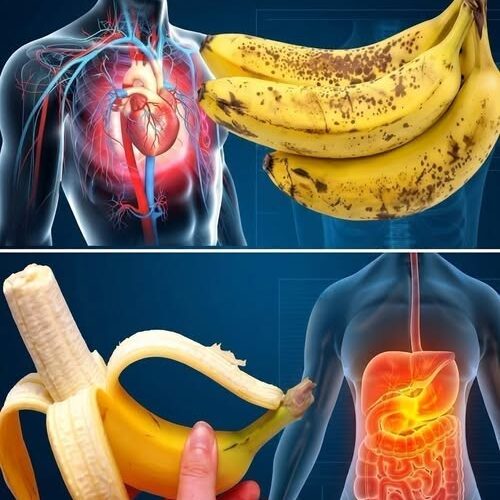

Bananas Provide Several Useful Nutrients
Bananas contain carbohydrates, dietary fiber, potassium, vitamin B6, and other nutrients.
The exact nutritional content varies depending on the size and ripeness of the fruit, but a banana can contribute to your overall intake of several important nutrients.
Potassium, for example, plays a role in normal muscle and nerve function and helps maintain fluid balance in the body.
However, eating a banana isn’t a substitute for a varied diet.
Your Digestion May Notice the Difference
Bananas contain dietary fiber, which can contribute to normal digestive health.
The type of carbohydrate and starch in a banana also changes as the fruit ripens. Less-ripe bananas contain more resistant starch, while ripening converts more of that starch into simpler sugars.
Because people respond differently to foods, some individuals may find that very ripe bananas are easier to digest, while others may prefer less-ripe fruit.
If eating bananas causes repeated digestive discomfort, paying attention to portion size and individual tolerance may be helpful.
They Can Be a Convenient Source of Energy
Because bananas contain carbohydrates, they can provide a convenient source of energy.
That’s one reason they are popular as a snack before or after physical activity.
A banana can also be combined with foods containing protein or healthy fats—for example, yogurt, nuts, or nut butter—to create a more substantial snack.
Ripeness Changes More Than the Taste
A green banana and a fully ripe banana can taste quite different.
As bananas ripen, their starches gradually break down into sugars, making the fruit softer and sweeter.
This doesn’t mean one stage is universally “better” than another.
The best choice depends on your taste, digestive tolerance, and how you plan to use the fruit.
What About Potassium?
Bananas are well known for their potassium content, but they’re not the only source of this mineral.
Potassium is found in many foods, including potatoes, beans, leafy greens, dairy products, and other fruits and vegetables.
For most healthy people, bananas can be a normal part of a balanced eating pattern.
However, people with certain medical conditions—particularly those affecting kidney function—or those who have been advised to limit potassium should follow guidance from their healthcare professional rather than changing their diet based on general nutrition articles.
A Banana Isn’t a Miracle Food
It’s easy for nutrition headlines to make one food sound like a solution to multiple health problems.
The reality is much simpler.
Bananas can be nutritious, but no single fruit provides everything the body needs.
A balanced diet generally includes a variety of fruits and vegetables along with appropriate sources of protein, whole grains, and other nutrient-rich foods.
The overall pattern of eating matters much more than one individual food.
An Easy Addition to Everyday Meals
One of the biggest advantages of bananas may simply be their convenience.
They’re portable, require no cooking, and can be added to many different meals and snacks.
You can slice one over cereal, mix it into oatmeal, add it to a smoothie, or pair it with yogurt and nuts.
That versatility makes bananas an easy option for people looking for practical ways to include more fruit in their diet.
The Takeaway
Eating bananas can provide carbohydrates, fiber, potassium, vitamin B6, and other nutrients.
They may also be a convenient snack and a useful ingredient in everyday meals.
But there’s no need to treat bananas as a miracle food.
Enjoying them as part of a varied, balanced diet is a more realistic approach to nutrition.
Nutrition note: Individual dietary needs vary. If you have kidney disease, a potassium restriction, diabetes, or another condition requiring specific dietary management, consult a qualified healthcare professional or registered dietitian for advice tailored to you.