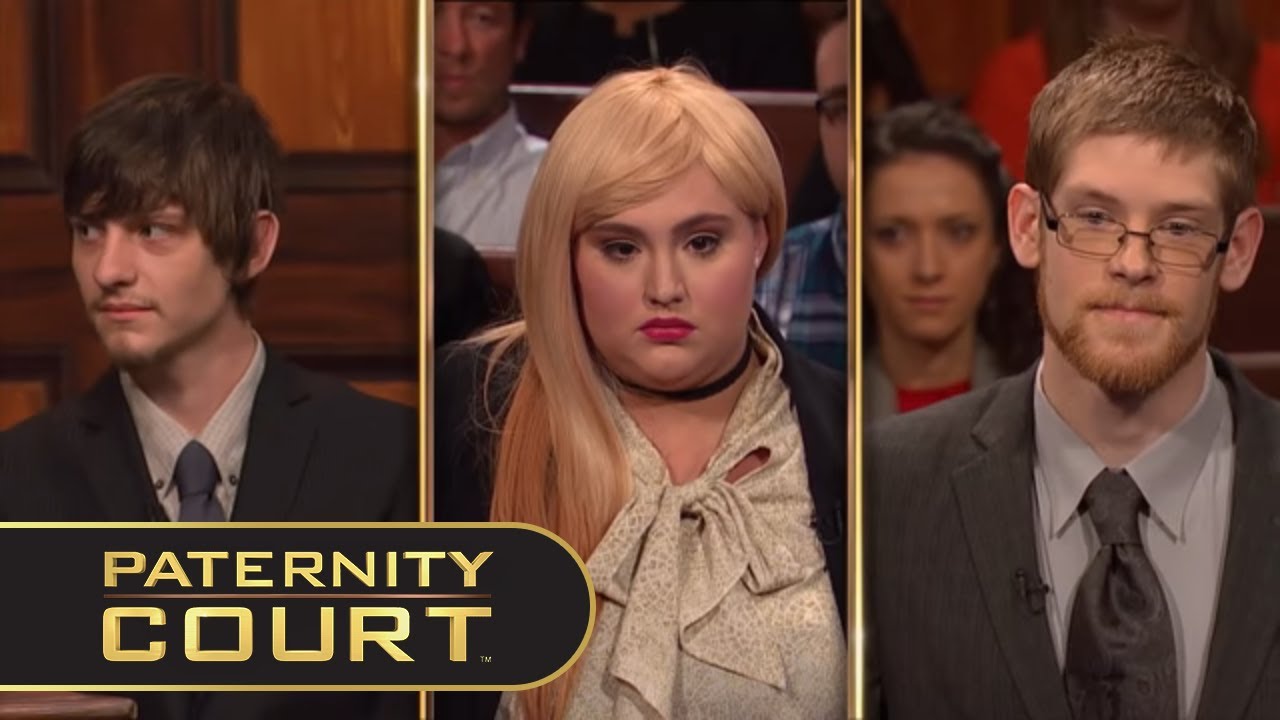
The first man, visibly shaken, spoke with raw emotion. He claimed he had been misled into believing he was the child’s father while the woman maintained relationships with others. His words reflected deep pain—not just from doubt, but from the feeling that he had invested emotionally in something that might not have been real. For him, this wasn’t just about biology—it was about trust, connection, and the fear of losing a bond he believed existed.
The second man took a more reserved approach but was equally firm in his stance. He admitted he had always questioned his involvement and suggested that the situation had been fueled by poor decisions and unnecessary conflict. While less outwardly emotional, his perspective carried sharp criticism, hinting that the situation may have been shaped by unresolved personal issues rather than a genuine search for truth.
Caught between them, the woman faced intense scrutiny. She acknowledged mistakes in her past and admitted that relationships had overlapped. However, she maintained that her goal was not revenge or manipulation—but clarity. Her focus, she insisted, was securing a stable future for her child by finally establishing the truth.
The judge stepped in repeatedly to redirect the conversation, emphasizing that the courtroom was not a place for personal attacks, but for accountability. Despite these efforts, tension remained high, with each party struggling to move beyond their own perspective.
Observers watched as the emotional weight of the situation became impossible to ignore. At the heart of the case was an innocent child—too young to understand the conflict, yet deeply affected by its outcome. Questions of identity, belonging, and stability hung in the balance.
The first man recalled moments he believed defined fatherhood—caring for the child, building memories, and forming a connection that now felt uncertain. The second man highlighted the damage caused by mistrust, suggesting that confusion and conflict could have been avoided with honesty from the beginning.
Through it all, the woman continued to stress one point: the child deserved the truth.
As the case moved toward its conclusion, it became clear that only one thing could cut through the noise—DNA evidence. While emotions shaped the narrative, science would ultimately provide clarity.
The judge reminded everyone involved that regardless of the outcome, the responsibility didn’t end with the results. The adults would need to set aside anger and focus on what truly mattered: the well-being of the child.
This case serves as a powerful reminder of how quickly relationships can unravel when trust is broken—and how deeply those consequences can affect others. It also highlights the importance of honesty, responsibility, and putting a child’s needs above personal conflict.
In the end, the truth may bring answers—but healing requires much more than that.
FULL VIDEO:
What are your thoughts on cases like this? Share your perspective in the comments and join the conversation.