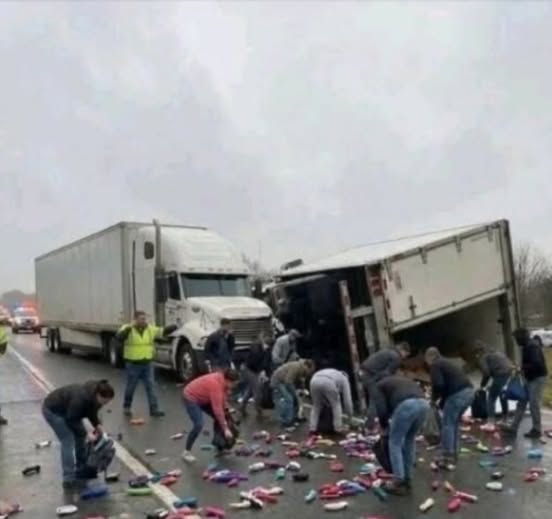
In the midst of it all, scattered images emerged that refused to fade. A shaken survivor sitting on the edge of a barricade. Emergency crews working through wreckage under harsh lights. A child being comforted by strangers while waiting for news that may never come quickly enough. These moments, though brief, captured something deeper than statistics—they revealed the fragile thread connecting strangers through shared vulnerability.
As the hours turned into days, the scale of the tragedy settled in. What once felt like a single incident became a broader reflection of how quickly preventable disasters can reshape countless lives. Investigations began. Questions followed. And with them came a growing demand for accountability—not just answers, but meaningful action.
Calls for improved road safety, stronger oversight, and better emergency response systems began to rise. For many, the conversation shifted from mourning alone to something more urgent: prevention. Because grief, while powerful, feels incomplete without change.
In the digital age, where breaking news competes with endless scrolling, moments like this cut through differently. They force attention back to what is often overlooked—the human cost behind every headline. Each update represents not just information, but a life altered, a family waiting, a future suddenly rewritten.
And yet, even in the weight of loss, something enduring remains: a shared refusal to accept tragedy as routine. Communities begin to gather, support networks activate, and strangers extend help where it is needed most. In that response lies a quiet truth—that even in chaos, humanity still reaches outward.
Because every life impacted carries meaning. And every loss demands more than remembrance—it demands responsibility, reflection, and the determination to do better.
As the nation processes what has happened, one question lingers beyond the headlines: how many warnings does it take before change finally arrives?
If this story resonated with you, share your thoughts in the comments and follow for more in-depth coverage of real events, human stories, and issues that shape our world.