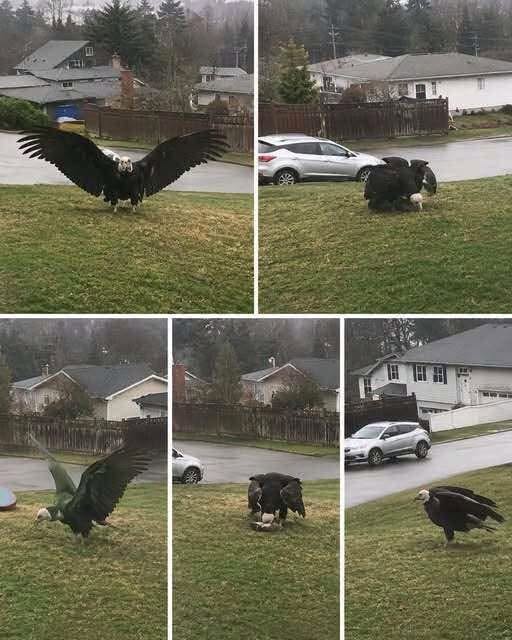
Researchers Continue Their Investigation
Wildlife biologists are examining the bird using established scientific methods, including physical observations and genetic analysis, to determine whether it belongs to a known population or represents an unusual individual within an existing species.
Experts note that natural variations in size and appearance can occur among birds of prey, making careful research essential before drawing conclusions.
Public Interest Continues to Grow
The reports have inspired curiosity among birdwatchers, photographers, and conservation supporters.
Many people have expressed interest in learning more about the bird and the habitats that support large raptors throughout North America. The story has also encouraged conversations about the importance of protecting wildlife and preserving natural ecosystems.
Conservation Remains a Priority
Local organizations have emphasized that any rare or unusual wildlife discovery should be approached responsibly. Limiting disturbance to animals and respecting conservation guidelines help researchers gather accurate information while protecting the species and its habitat.
Officials also encourage the public to rely on verified information from wildlife agencies and scientific organizations as additional details become available.
A Reminder That Nature Still Holds Surprises
Whether the bird proves to be an unusually large individual or something less commonly observed, the reports highlight how much there is still to learn about wildlife.
New observations continue to expand scientific understanding, reminding us that even in well-studied regions, nature can occasionally present unexpected discoveries.
As research continues, experts hope further findings will provide a clearer picture of the bird’s identity while reinforcing the importance of conservation and scientific inquiry.