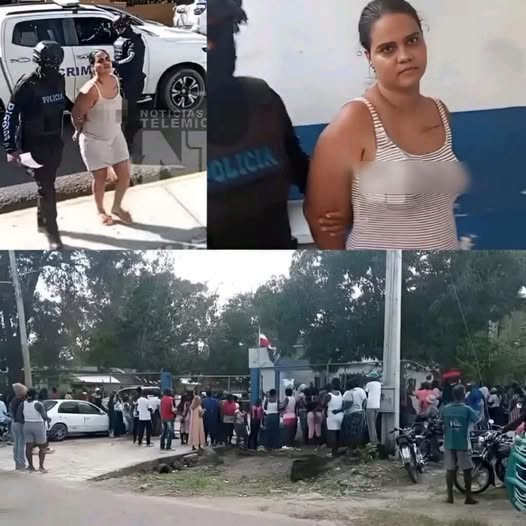
How Private Moments Become Public
Modern smartphones make it easy to record and share almost anything. A photo or video captured in a public place can be uploaded within seconds and viewed by people far beyond the location where it was taken.
Once a piece of content begins spreading, it can be difficult to control where it goes next.
A single post may be copied, reposted, or shared across multiple platforms. Even if the original uploader removes it, other versions may continue circulating.
This raises an important question: Just because something can be recorded and shared, does that mean it should be?
The Difference Between Public Interest and Public Curiosity
Viral stories often attract attention because they are unexpected. People naturally want to understand what happened, especially when a video appears to show an unusual or confusing situation.
However, curiosity is not always the same as genuine public interest.
When a story involves identifiable individuals, viewers may quickly form opinions without knowing the full context. Short clips rarely provide the complete picture, and online discussions can easily turn assumptions into apparent “facts.”
That is one reason responsible sharing matters.
Before reposting a video or commenting on an incident, it is worth asking whether the information has been verified and whether sharing it could cause unnecessary harm to someone who may already be dealing with a difficult situation.
The Speed of Social Media
Social media has transformed the way information travels.
In the past, a local incident might have been discussed by people who witnessed it directly. Today, the same event can potentially reach a global audience in a matter of hours.
Algorithms often prioritize content that generates strong reactions. As a result, surprising or emotional posts can receive enormous attention before reliable information becomes available.
This can create a cycle in which speculation spreads faster than facts.
By the time additional context emerges, thousands of people may already have formed an opinion.
The Human Cost of Viral Attention
Behind every viral story are real people.
When an incident becomes widely shared, those involved may experience consequences that extend far beyond the original event. They may face unwanted attention, embarrassment, strained relationships, or difficulty moving forward after the public interest has faded.
The internet can also make these experiences last much longer.
A post that receives attention for only a few days may remain searchable or accessible for years. Screenshots and copies can continue circulating even after the original content disappears.
For that reason, privacy advocates often encourage people to think carefully before sharing images or videos involving identifiable individuals.
A Reminder About Digital Responsibility
The popularity of viral content highlights an important reality of modern life: our online actions can have real-world consequences.
That doesn’t mean people should never share news or discuss public events. It simply means that context, accuracy, and empathy matter.
A responsible approach might include checking whether a claim comes from a reliable source, avoiding speculation about people’s personal lives, and considering whether sharing someone’s image is necessary.
Sometimes, choosing not to repost something is the most thoughtful decision.
What We Can Learn
Stories that spread rapidly online can be fascinating, but they also offer an opportunity to think about how we use technology.
A single image or video can influence public opinion, affect reputations, and change how people perceive an event. Yet the people involved may have little control over the conversation once it begins.
The lesson is not that social media is inherently harmful. Rather, it is that digital communication requires responsibility.
Before clicking “share,” it can be helpful to pause and ask:
- Is the information accurate?
- Do I know the full context?
- Could this post unnecessarily harm someone?
- Am I sharing it because it is genuinely informative, or simply because it is surprising?
In a world where almost anything can become public within seconds, a little patience can go a long way.
The next viral story may be only one click away. But behind every post, photograph, or video are real people whose lives continue long after the online conversation moves on.
That is why privacy, accuracy, and empathy remain important—even in the fastest-moving corners of the internet.