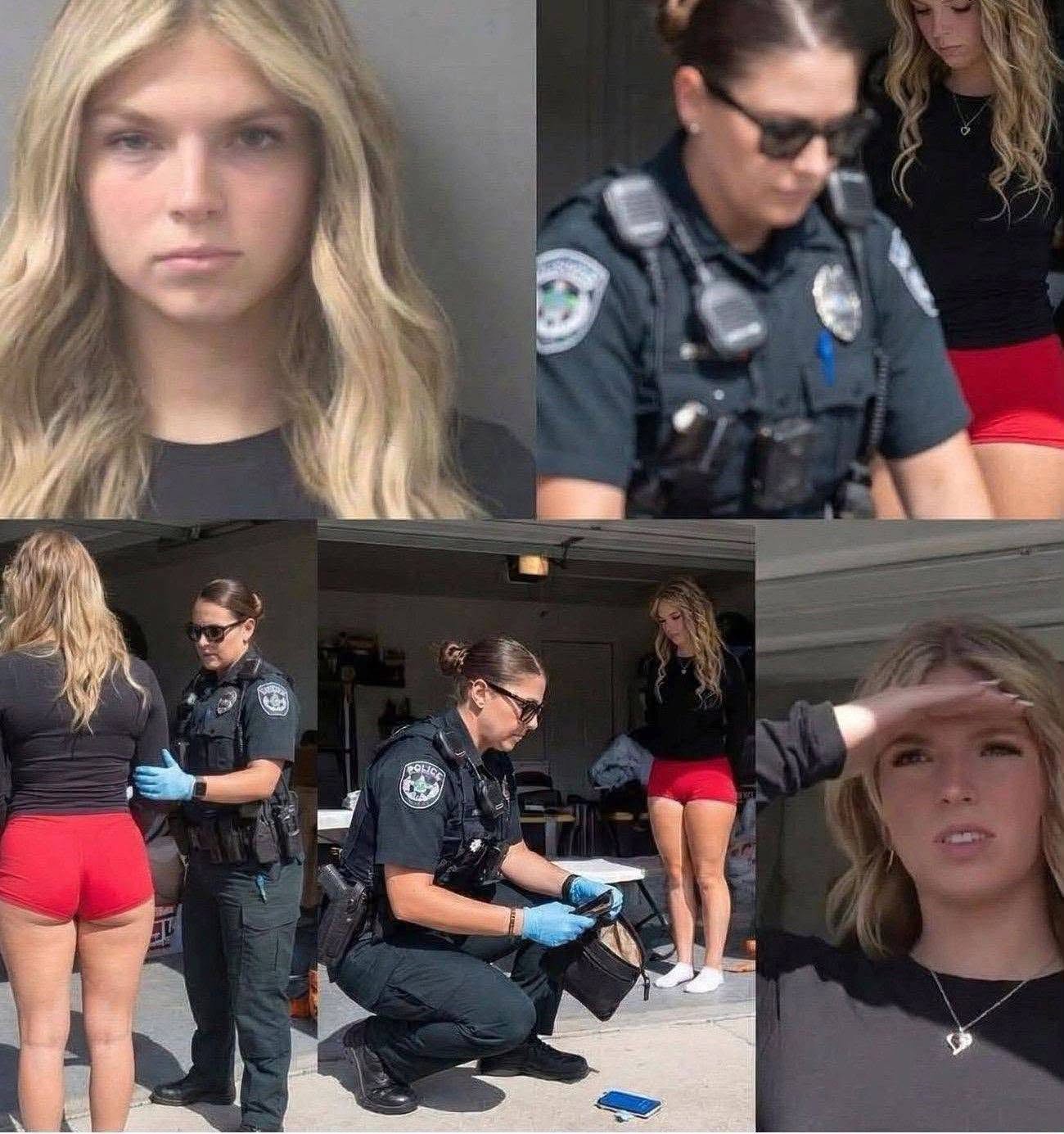
Officers later arrived at the scene and addressed the situation in accordance with local laws and public-order regulations.
While information about the incident remains limited, reports indicated that at least one person was temporarily detained in connection with an alleged violation of public conduct rules. Specific details, however, have not been independently confirmed, and online posts may not provide the complete context.
How a Local Incident Became a Viral Story
The situation gained significantly more attention after photographs and short video clips began appearing on social media.
Within a short period, the material was shared across multiple platforms, reaching audiences far beyond the location where the incident originally occurred.
This pattern is increasingly common in the digital age. An event that might once have been discussed only by local residents can now attract thousands—or even millions—of views within hours.
Viral content often spreads because it generates strong emotional reactions. Unexpected situations, unusual circumstances, and police involvement can encourage people to comment and share before they have access to all the facts.
The Problem With Incomplete Context
One of the challenges surrounding viral incidents is that short clips rarely tell the entire story.
A photograph may capture only a single moment, while a brief video may leave out what happened before or afterward. As a result, viewers can sometimes form conclusions based on incomplete information.
Online discussions may also introduce speculation that has not been verified by authorities or reliable sources.
For this reason, it is important to distinguish between confirmed facts and claims circulating on social media.
Privacy and the Consequences of Going Viral
The incident also highlights concerns about privacy in an era when nearly everyone carries a camera.
When a person is recorded in a public place, the footage can potentially be shared with a huge audience within minutes. Once an image or video becomes widely distributed, removing it completely from the internet can be extremely difficult.
This can have lasting consequences for the people involved, particularly when online audiences begin making assumptions about their identity or personal lives.
The situation serves as a reminder that sharing content responsibly is important. Before reposting a video or photograph, users should consider whether the information is accurate, whether the people involved have been fairly represented, and whether the content could cause unnecessary harm.
A Broader Conversation About Online Responsibility
The attention surrounding this incident demonstrates how quickly a local event can become a global conversation.
Social media provides an incredible way to share information, but it also creates challenges when content spreads faster than reliable facts can be established.
For viewers, the best approach is to remain curious while also being cautious. Viral footage can be interesting, but it should not automatically be treated as a complete account of what happened.
As this story continues to attract online attention, the larger lesson may be about the power of digital media itself. A single moment can now travel farther and faster than ever before, making context, accuracy, and respect for privacy more important than ever.
Ultimately, the incident is a reminder that behind every viral image or video are real people whose lives may continue long after the internet moves on to its next trending story.