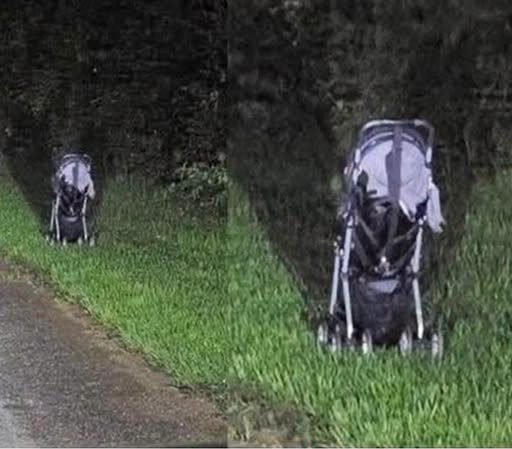
Police emphasized the importance of staying alert and reporting suspicious behavior, while residents were encouraged to look after one another.
But the response went beyond basic safety advice.
Something powerful happened in the days that followed: people began paying closer attention to their surroundings and to each other.
Neighbors checked in with one another. Friends made sure loved ones arrived home safely. People became more willing to speak up when something didn’t seem right.
It was a reminder that community safety isn’t created by fear alone. It’s built through awareness, communication, and people being willing to look out for one another.
Of course, staying alert doesn’t mean living in constant anxiety. It means developing sensible habits that can help you feel more prepared. Paying attention to your surroundings, keeping your phone accessible when walking alone, choosing well-lit routes when possible, and letting someone know your plans can all be practical steps.
Most importantly, people should remember that responsibility for preventing crime belongs with those who commit it—not with victims.
The incident may have begun with fear, but the community’s response showed a different side of the story.
Instead of allowing one frightening event to define the neighborhood, residents chose to respond with awareness and solidarity. They reminded one another that no one should feel completely alone when something goes wrong.
Sometimes, the strongest response to a frightening event isn’t panic.
It’s connection.
It’s neighbors checking on neighbors. It’s people paying attention. It’s communities deciding that looking out for one another matters.
The streetlights may have captured the moment, but the people who came together afterward helped shape what happened next.
And perhaps that’s the lesson worth remembering: even when an ordinary evening takes an unexpected turn, a community that stays connected can help turn fear into awareness—and uncertainty into action.
Have you ever seen your neighborhood come together after a difficult event? Share your experience in the comments, and tell us what you think communities can do to help everyone feel safer and more connected.