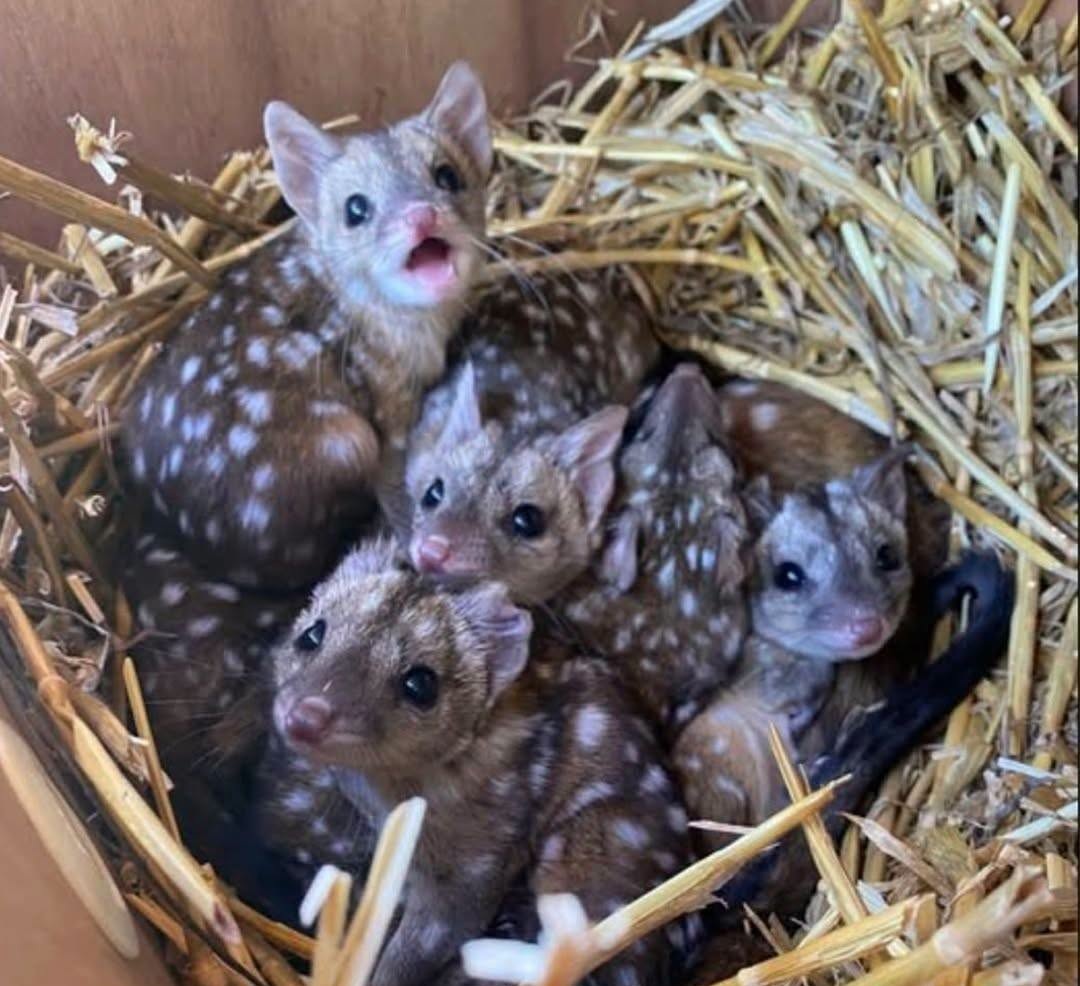
A New Generation in the Wild
Western quolls are small, agile marsupial predators with distinctive spotted coats. They are mostly active at night, when they search for food and move through their territory.
At Mt Gibson Wildlife Sanctuary, conservation teams are monitoring the animals as they adapt to their surroundings and begin raising young.
For researchers, every new joey is an encouraging development.
The young animals must learn essential survival skills as they grow. They eventually need to find food, avoid predators, and navigate the challenging conditions of the Australian landscape.
Ecologists carefully observe their progress while minimizing disturbance to the animals.
Why Their Return Matters
The return of western quolls is significant because native predators play an important role in maintaining healthy ecosystems.
By restoring native species, conservation projects can help rebuild ecological relationships that have been disrupted over time.
However, the recovery of the western quoll remains a long-term challenge.
Feral cats and foxes continue to pose serious threats to many native Australian animals. Extreme weather, habitat changes, and limited food availability can also make survival difficult.
That means the arrival of new generations is encouraging, but it does not guarantee long-term success.
Conservation Takes Time
Successful wildlife conservation rarely happens overnight.
It often requires years of planning, habitat restoration, predator management, scientific monitoring, and cooperation between researchers and conservation organizations.
At Mt Gibson, these efforts are helping create a safer environment where native wildlife has a better opportunity to recover.
The return of western quolls demonstrates what sustained conservation work can achieve. At the same time, it highlights the importance of continuing those efforts after a species begins to recover.
A Small Animal With a Big Story
For the people working in the sanctuary, each sighting of a western quoll is more than an exciting observation.
It represents a species that has survived enormous challenges and is now beginning to establish itself again in the wild.
The sight of young quolls exploring their surroundings offers a hopeful reminder that conservation can make a difference.
Their future, however, will depend on continued protection and careful management of the environment they call home.
In the Australian bush, the return of the western quoll is a story of patience, resilience, and careful conservation. Each new generation brings renewed hope that this distinctive native animal will continue to have a place in Australia’s wild landscapes for years to come.