That’s why it’s smart to investigate the regulations before the first post goes into the ground.
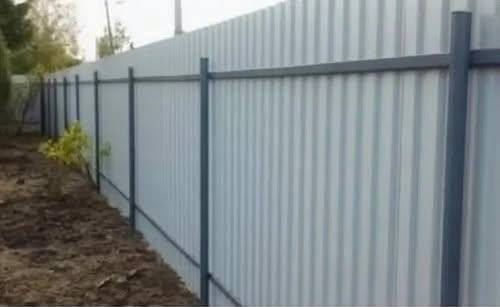
The orientation can also affect curb appeal. A neat, finished surface generally creates a more consistent appearance along a property line, particularly when the fence is visible from a street, shared walkway, or neighboring yard. Keeping the structure maintained afterward matters just as much. Even a beautifully installed fence can become an eyesore if it is left damaged, leaning, stained, or overgrown with vegetation.
Homeowners who want the same attractive appearance on both sides can also explore double-sided fence designs. These options can provide a more uniform look while reducing concerns about which neighbor receives the “good” side.
Perhaps the biggest lesson is that a property boundary doesn’t have to become a social boundary.
Before installing a fence, check local codes, review any neighborhood rules, and, when appropriate, discuss the plan with your neighbor. A short conversation can prevent a surprisingly long disagreement.
Because sometimes good neighborly relations begin with something as ordinary as deciding which way a fence should face.
What do you think? Should the finished side always face the neighbor, or should homeowners have complete freedom to choose? Share your thoughts below.