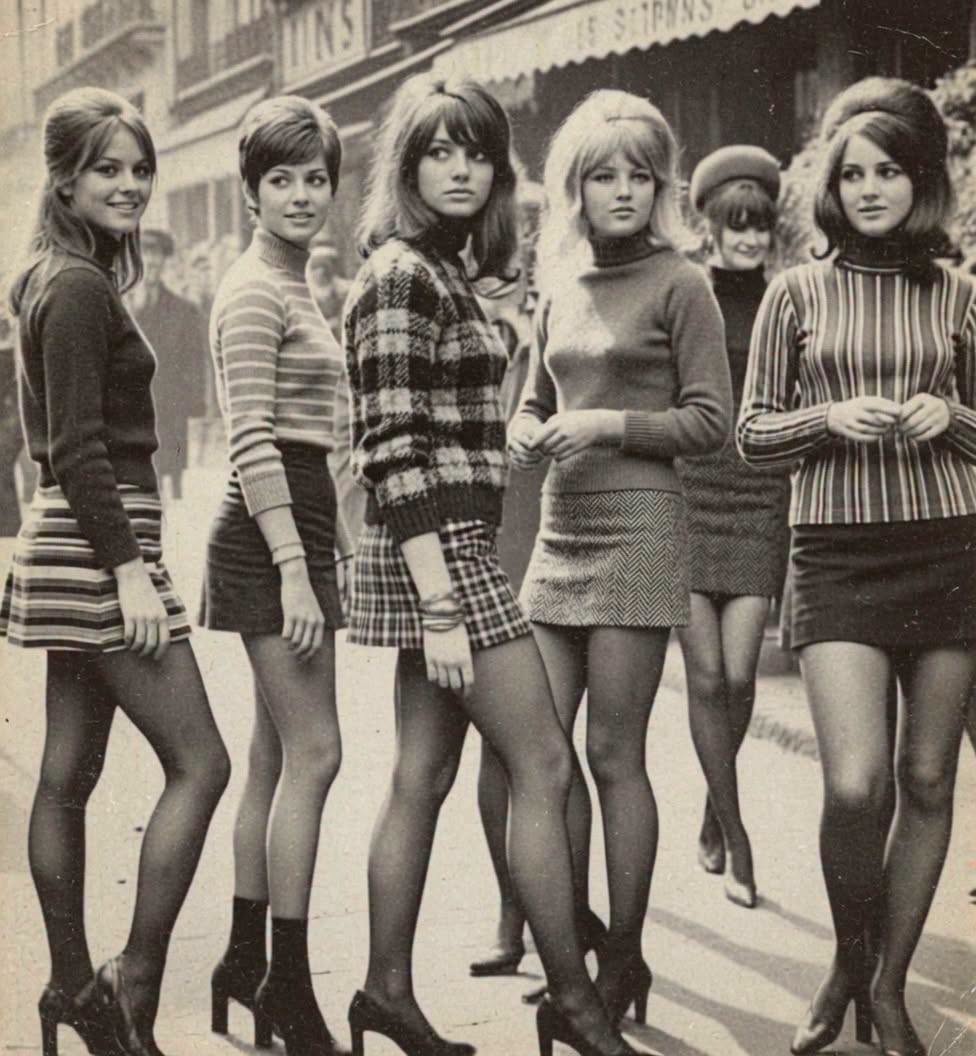
The 1970s changed fashion in ways that are still visible today.
It was a decade when traditional rules began to loosen and personal style became more important than following a single dress code. Tailoring shared the spotlight with flowing bohemian pieces, denim moved from workwear into mainstream fashion, and disco brought metallic fabrics and glamorous evening looks into the spotlight.
The result was one of fashion history’s most recognizable eras.
From flared trousers and platform shoes to relaxed suiting, bold prints, and easy-to-wear separates, 1970s fashion combined comfort, confidence, and individuality.
So, what made the decade so influential—and why does its style continue to return?
The Rise of Relaxed Glamour
One of the defining changes of the early 1970s was the growing relationship between comfort and elegance.
Fashion became less rigid than it had been in previous decades. Women increasingly embraced trousers, relaxed silhouettes, soft fabrics, and practical separates that could work across different parts of everyday life.
This didn’t mean glamour disappeared.
Instead, glamour became easier to wear.
Flowing dresses, wide-leg trousers, tailored jackets, and simple knitwear could all be styled in ways that looked polished without feeling overly formal.
That combination of practicality and sophistication became one of the decade’s most lasting contributions to fashion.
The Style Icons Who Shaped the Era
The 1970s produced an extraordinary collection of fashion personalities.
Diana Ross became closely associated with glamorous stage fashion, while Bianca Jagger became one of the era’s most recognizable style figures.
Goldie Hawn represented another side of the decade, often appearing in playful, youthful looks that reflected the more relaxed spirit of 1970s fashion.
These women demonstrated something important about the decade: there wasn’t just one definition of stylish.
A woman could embrace sophisticated tailoring one day and flowing bohemian fashion the next.
That freedom to experiment became part of the appeal.
Disco Fashion Brings Glamour to the Dance Floor
If there was one movement that captured the glamorous side of the late 1970s, it was disco.
New York nightlife became an important source of fashion inspiration, and Studio 54 became one of the era’s most famous cultural landmarks.
Disco-inspired fashion favored clothing that caught the light and moved with the body.
Metallic fabrics, sequins, satin, halter silhouettes, dramatic sleeves, and shimmering finishes became popular choices for eveningwear and nightlife.
The disco aesthetic wasn’t simply about looking glamorous.
It represented a willingness to be noticed.
Fashion became part of the experience of going out, dancing, and expressing individuality.
Keep reading…