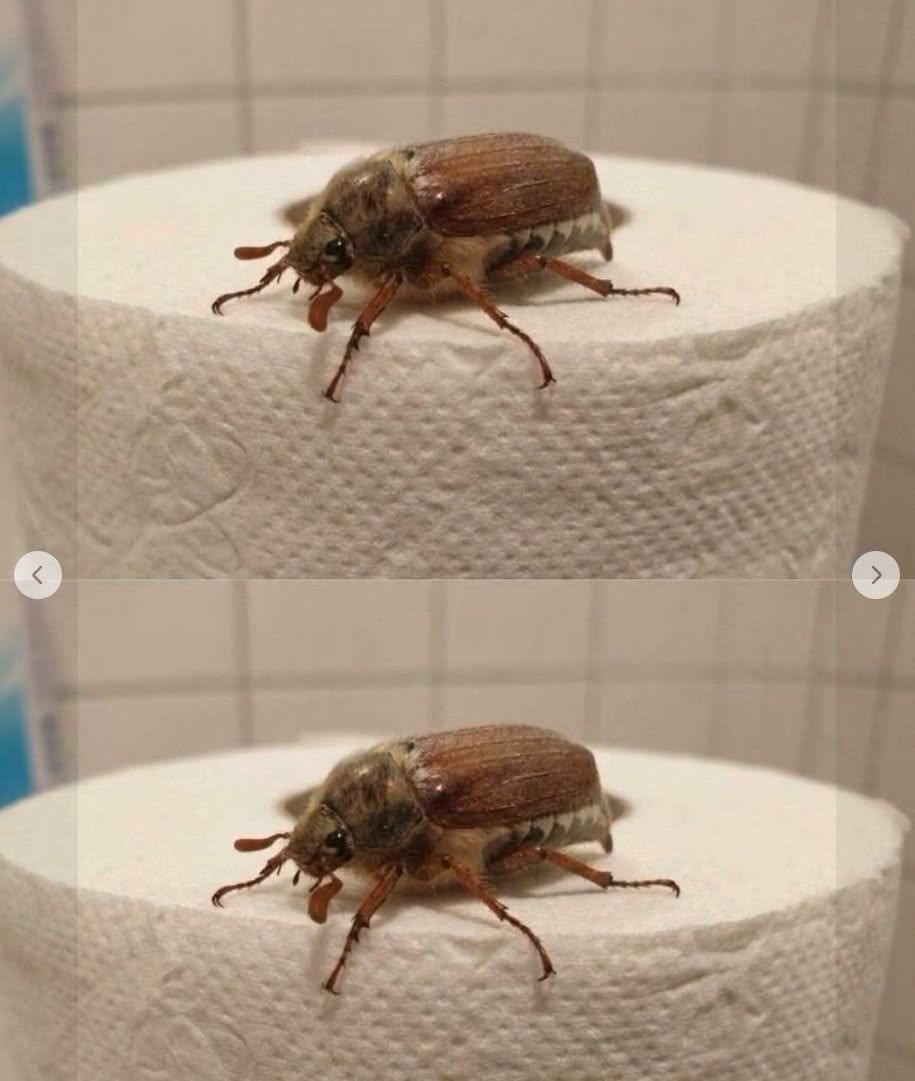
Start by Observing the Insect
Before using any sprays or treatments, try to get a clear look at the insect.
Helpful details include:
- Its approximate size
- Body shape and color
- Number of legs
- Presence of wings or antennae
- Where it was found (kitchen, bathroom, basement, windowsill, etc.)
If it’s safe to do so, taking a clear photo from different angles can make identification much easier.
Why Identification Matters
Different insects require different approaches.
For example, a beetle that accidentally flies inside may simply need to be released outdoors, while recurring sightings of ants, cockroaches, or bed bugs may indicate a larger issue that benefits from targeted pest management.
Correct identification helps you avoid unnecessary treatments and choose the most effective solution.
Preventing Household Pests
Simple preventive steps can reduce the chances of insects entering your home:
- Store food in sealed containers.
- Clean up crumbs and spills promptly.
- Empty indoor trash regularly.
- Repair damaged window screens.
- Seal cracks and gaps around doors, windows, and foundations.
- Reduce excess moisture by fixing leaks and improving ventilation where needed.
These habits can make your home less attractive to many common household pests.
When to Seek Professional Help
If you notice repeated sightings of the same insect, signs of an infestation, or you’re unable to identify the pest, consider contacting a qualified pest management professional.
An expert can identify the insect accurately and recommend appropriate treatment if necessary.
The Bottom Line
Not every insect found indoors is cause for concern. In many cases, taking a clear photo and spending a few moments identifying what you’ve found can help you make an informed decision.
A little observation often goes a long way toward choosing the safest, most effective way to manage unwanted visitors in your home.