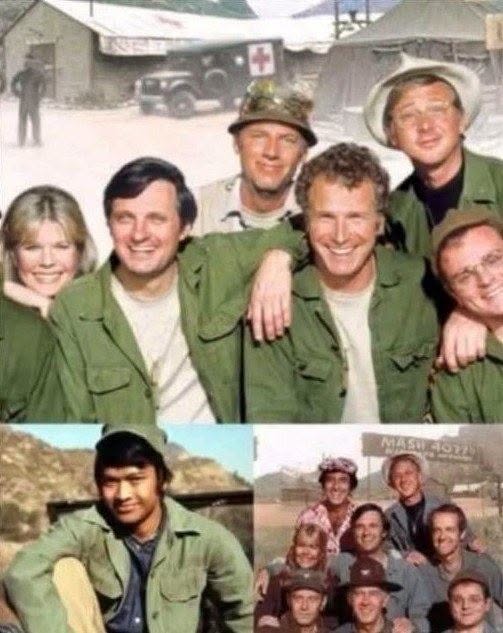
One reason the series continues to attract viewers is its humanity.
The characters were not presented as perfect heroes. They were complicated people dealing with difficult circumstances, personal disagreements, exhaustion, friendship, and grief.
Humor often provided a way for the characters—and the audience—to cope with situations that were otherwise difficult to process.
That balance helped MASH* remain meaningful long after its original broadcast. New generations have continued discovering the series through reruns and streaming, allowing its performers to reach audiences who were not even born when many of the episodes first aired.
The Details That Made a Performance Last
A memorable television performance is rarely created by dialogue alone.
A pause, expression, gesture, or change in tone can make a character feel genuine. Small choices can turn an ordinary scene into one that audiences remember for decades.
That quality was part of what fans appreciated about the performer being remembered.
Rather than simply delivering lines, he helped create a character who felt like part of a larger world. His work contributed to the chemistry that made the series feel authentic and helped viewers become emotionally invested in its characters.
Fans Remember More Than the Character
Following news of his death, many viewers began sharing personal memories connected to the show.
Some remembered watching it with parents or grandparents. Others discovered the program later in life and eventually introduced it to their own families.
For those viewers, returning to an old episode can bring back memories that have little to do with television itself.
A familiar scene may remind someone of a childhood home, a relative who is no longer around, or an evening spent watching television with family members.
That is one reason the passing of a beloved performer can feel surprisingly personal.
People are sometimes mourning not only the individual but also the memories associated with the work.
The Person Behind the Screen
Fans and colleagues often remember performers for qualities that never appear in the finished production.
Professionalism, kindness, patience, generosity, and the ability to make people feel comfortable can have a lasting impact on coworkers.
Film and television productions depend on collaboration. Actors, directors, writers, camera operators, editors, designers, and countless other professionals work together to create what audiences eventually see.
The relationships formed behind the scenes can influence the atmosphere of a production and, ultimately, the performances that appear on screen.
A Legacy That Continues
One of the comforting things about recorded performances is their ability to outlast their creators.
An actor may no longer be present, but viewers can still watch the work years or even decades later.
Someone discovering MASH* for the first time can experience the same performance that entertained audiences generations earlier. Another viewer may return to a familiar episode during a difficult period and find comfort in a scene they have seen many times before.
That is a special quality of television and film: performances can continue reaching people long after production has ended.
Why His Passing Feels Different to So Many Fans
The reaction to a familiar performer’s death demonstrates how deeply entertainment can become intertwined with everyday life.
Actors may appear on screen for only a few minutes at a time, but their work can remain in a viewer’s memory for decades.
A particular character can become associated with childhood, family traditions, friendships, or important moments in someone’s life.
When that performer passes away, those memories can suddenly return.
The sadness is real, but so is the gratitude.
Remembering a Lasting Contribution
At 82, the actor leaves behind more than a collection of television and film credits.
He leaves performances that continue to be watched, characters that remain recognizable, and memories shared by generations of viewers.
For longtime fans, revisiting those episodes may now feel bittersweet. The performer is gone, but the work remains exactly where audiences left it.
The scenes can still make people laugh. The characters can still make them think. And the stories can still bring families and friends together.
That may be one of the most meaningful legacies an actor can leave behind.
Rather than allowing the final chapter to define his story, fans can remember the many years of work that came before it—the performances, the laughter, the conversations, and the memories created along the way.
Sometimes, saying thank you does not require another speech or ceremony.
Sometimes, it simply means pressing play once more and remembering why the performance mattered.