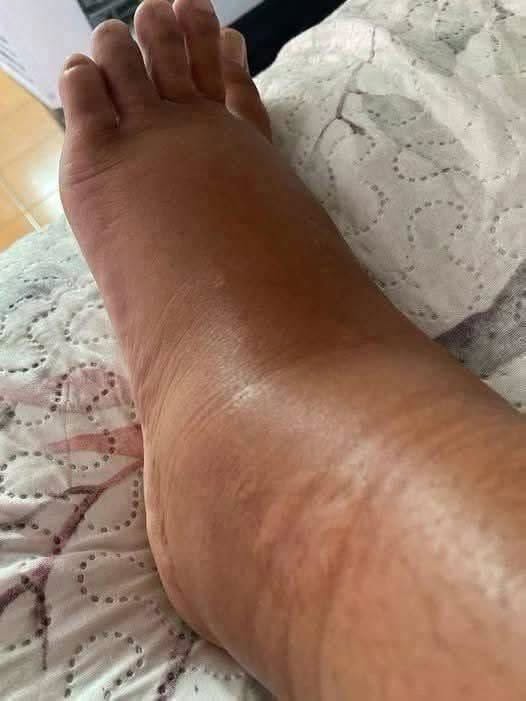
Choosing properly fitted, supportive footwear can make a difference as well. Staying adequately hydrated and moderating highly processed, salty foods may also help reduce recurring episodes.
Gentle movement is another practical habit. Short walks, ankle movements, and simple stretching can help keep you from remaining in one position for too long.
When Should You Pay Attention?
Not every swollen foot signals a serious problem, but the pattern matters.
If swelling continues without an obvious explanation, keeps returning, becomes significantly worse, or affects only one leg, it is worth discussing with a healthcare professional. Swelling accompanied by significant pain, warmth, redness, or other unusual symptoms also deserves medical evaluation.
And there is one warning sign that should never be casually dismissed: swelling accompanied by shortness of breath or chest discomfort requires urgent medical attention.
The key is not to panic over every puffy ankle—but not to ignore persistent changes either. Your feet can reflect what is happening throughout your body, and paying attention to changes gives you an opportunity to address potential problems early.
Sometimes the answer really is simple: more movement, better footwear, less sodium, and time to rest.
Other times, swelling is a clue that deserves professional evaluation.
Have your feet ever become noticeably swollen after a long day? Share what helped you feel better, and pass this along to someone who might find it useful.