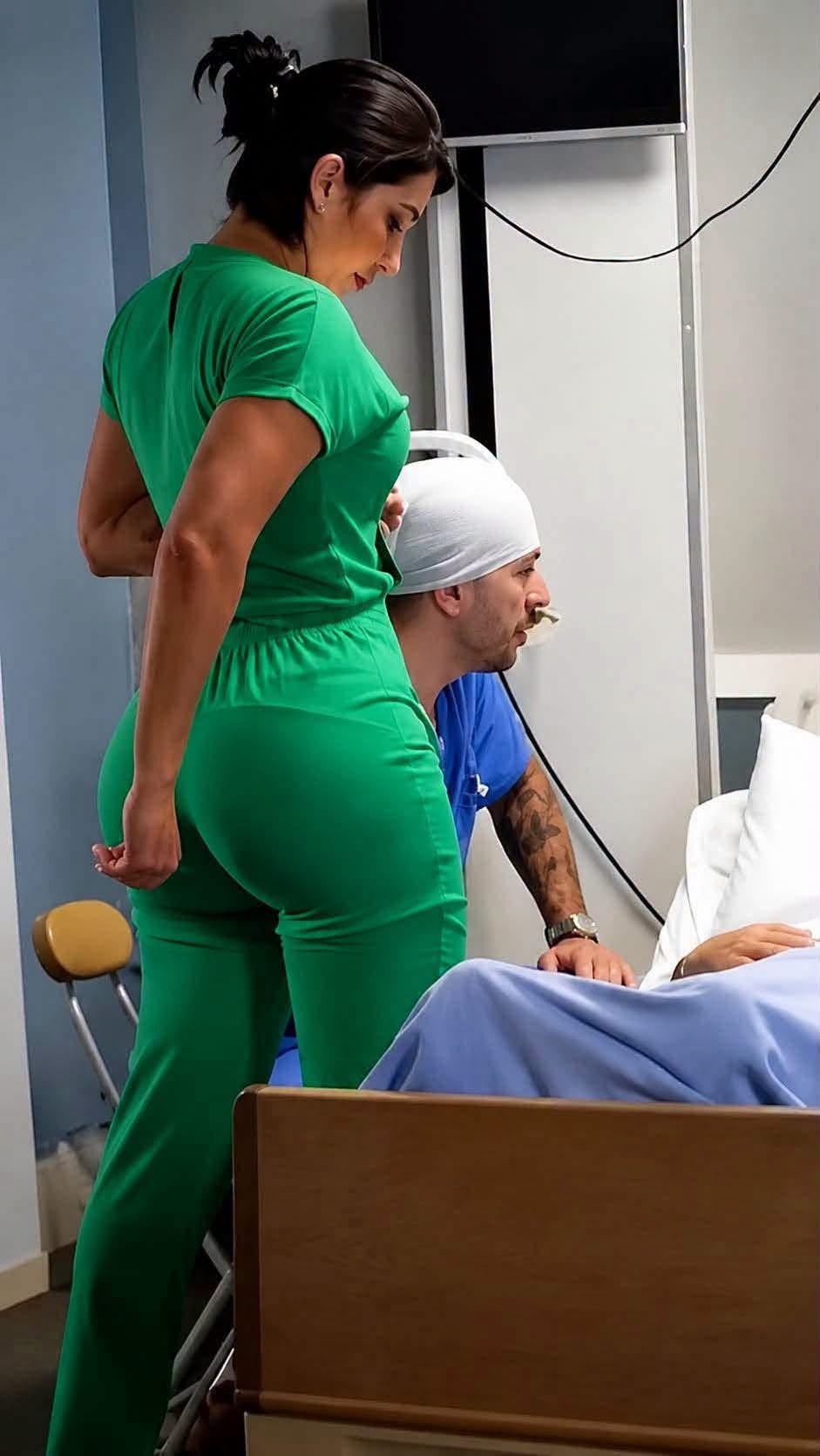
Eventually, the video was described as staged promotional content rather than authentic footage of a real medical emergency.
That revelation changed the conversation completely.
Why Did So Many People Believe the Video?
The video used familiar visual elements associated with emergency medical care: hospital equipment, clinical surroundings, urgent movements, and the appearance of trained medical personnel.
When these elements are combined with dramatic editing and emotional storytelling, viewers can quickly feel as though they are watching a genuine emergency.
That doesn’t necessarily mean viewers were careless. Emotional content naturally captures attention, particularly when it involves situations involving health and safety.
Social media can amplify that effect because highly emotional posts often attract more comments, reactions, and shares.
The Difference Between Real Medical Care and Dramatic Storytelling
Real intensive-care medicine is highly complex.
Medical emergencies involve trained healthcare professionals, established procedures, monitoring equipment, careful communication, and decisions based on the patient’s individual condition.
Entertainment or advertising footage may imitate some of these elements for storytelling purposes, but it should not be confused with actual medical practice.
A dramatic scene can therefore look convincing without accurately demonstrating what would happen in a real hospital.
Why Staged Medical Scenes Can Be Misleading
Medical professionals are generally viewed as trusted authorities.
When someone appears on screen wearing medical clothing and working in a hospital environment, viewers may naturally assume the person is providing genuine medical information or responding to a real situation.
That is why transparency is particularly important when medical imagery is used in promotional material.
A staged scene should be clearly presented as fictional or recreated rather than allowing audiences to believe that they are watching an actual emergency.
What About the Product Featured in the Video?
The video was reportedly connected with promotional content for an energy-related supplement.
However, viewers should be cautious about drawing conclusions about any supplement’s effectiveness based solely on a dramatic advertisement.
An actor appearing to recover from an apparent emergency does not demonstrate that a product can produce the same result in real life.
Consumers should look for reliable information about ingredients, evidence, potential risks, and appropriate use before making decisions about health-related products.
Why Emotional Videos Spread So Quickly
There is a simple reason why shocking footage can travel so rapidly online: it makes people feel something immediately.
Fear, surprise, anger, compassion, and curiosity can all encourage people to share content before they have checked where it came from.
Once thousands of people begin sharing a video, its popularity can make it appear even more credible.
But popularity isn’t proof.
A video can receive millions of views and still be fictional, edited, recreated, or presented without important context.
How to Check a Shocking Video Before Sharing It
The next time you encounter an alarming medical video online, take a moment before sharing it.
Check the original source. Find out who published the footage and whether the account has a history of posting reliable information.
Look for context. A short clip may leave out important details about when, where, and why it was recorded.
Search for independent reporting. If something genuinely significant happened, reputable sources may provide additional information.
Watch for promotional language. If a dramatic story quickly leads to a product, subscription, or purchase opportunity, consider whether the emotional story is being used as advertising.
Don’t rely on comments as evidence. Thousands of comments can repeat the same claim without establishing whether it is true.
A Reminder About Online Content
This incident offers a useful lesson about the way digital content works.
Modern cameras, editing software, artificial intelligence, acting, sound effects, and carefully designed sets can make fictional scenes appear remarkably realistic.
That doesn’t mean every dramatic video is fake. It simply means that appearance alone isn’t enough to establish authenticity.
When a video produces an immediate emotional reaction, pausing for a few seconds can be valuable.
Ask yourself:
Who created this?
What do they want me to believe?
Is there independent evidence supporting the story?
Could this be an advertisement, recreation, or fictional scene?
Those questions can help separate genuine information from entertainment and promotional material.
The Takeaway
The viral ICU video is a reminder that something looking real doesn’t automatically make it real.
Medical emergencies deserve to be treated with seriousness and respect, while advertising should clearly distinguish dramatized storytelling from genuine medical events.
Before sharing shocking footage, take a moment to verify its source and context. A few seconds of careful checking can prevent misinformation from spreading—and can help ensure that legitimate medical information isn’t confused with dramatic online content.