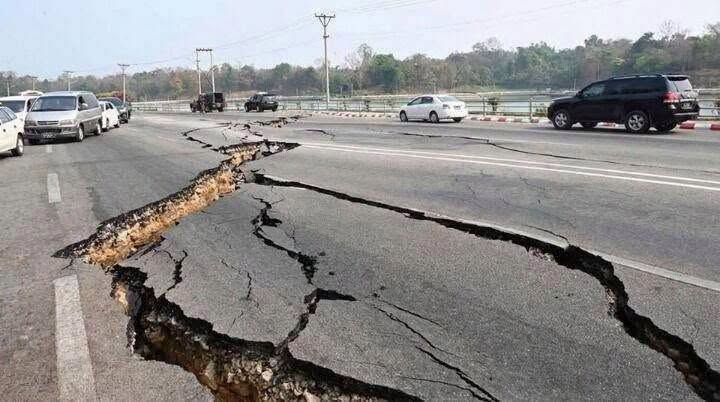
Emergency Response and Safety Checks
Following an earthquake, emergency personnel typically prioritize public safety. Teams may inspect buildings, roads, bridges, and other important infrastructure for possible damage.
Authorities and community organizations can also help coordinate temporary shelters, medical assistance, food, water, and other essential supplies when necessary.
Residents are generally encouraged to follow instructions from local authorities and avoid entering buildings that appear damaged until they have been assessed as safe.
Tremors Reported Beyond the Immediate Area
Earthquake activity can sometimes be felt across national borders, particularly when the event occurs at a sufficient depth or magnitude.
Residents in parts of neighboring countries may notice shaking even when the strongest effects occur elsewhere. Such situations highlight the importance of regional monitoring systems and clear communication between authorities.
Communities Support One Another
Natural disasters often bring communities together. Neighbors may check on one another, share information, and assist people who require additional help.
Clear communication is particularly important during the first hours following an earthquake. Temporary disruptions to phone or internet services can make it difficult for families to communicate, while increased online activity can also make it harder to distinguish reliable information from unverified reports.
For this reason, residents should rely on official emergency announcements and established news organizations when checking for updates.
Why Earthquakes Occur
Earthquakes happen when accumulated energy within the Earth’s crust is suddenly released, producing seismic waves and ground movement.
Southeast Asia contains several active geological areas, so earthquakes occur in the broader region from time to time. However, the effects of each event can vary considerably.
The potential impact depends on several factors, including the earthquake’s magnitude, depth, location, local geology, population density, and the quality of buildings and infrastructure.
Preparing for Future Earthquakes
Although earthquakes cannot currently be prevented, preparation can help reduce risks.
Useful preparedness measures include:
- Creating a household emergency plan
- Knowing safer areas inside buildings
- Keeping basic emergency supplies accessible
- Securing heavy furniture where practical
- Learning local emergency procedures
- Keeping important contact information available
- Following official instructions during an emergency
Families can also discuss how they would communicate and where they would meet if normal communication systems became temporarily unavailable.
What to Do During an Earthquake
Safety recommendations can vary depending on the circumstances, but common guidance includes protecting yourself from falling objects and staying away from windows and unstable structures.
If you are indoors, generally Drop, Cover, and Hold On:
- Drop to the ground.
- Take cover under sturdy furniture if available.
- Hold on until the shaking stops.
If you are outdoors, move away from buildings, power lines, trees, and other objects that could fall.
After the shaking stops, check yourself and others for injuries, remain alert for aftershocks, and follow instructions from local authorities.
Checking Buildings and Infrastructure
One of the most important steps after a significant earthquake is determining whether buildings and infrastructure remain safe.
Authorities may inspect:
- Residential and commercial buildings
- Roads and bridges
- Schools and public facilities
- Electrical and water systems
- Communications infrastructure
People should not assume that a building is safe simply because visible damage appears minor. Professional assessments may be necessary before certain structures can be safely occupied again.
Supporting People Who Need Additional Assistance
Emergency planning should take into account people who may need additional support, including children, older adults, and people with mobility limitations.
Communities can improve preparedness by identifying available assistance, planning accessible evacuation routes, and ensuring that emergency shelters can accommodate different needs.
The Importance of Reliable Information
During a developing emergency, information can change as officials assess the situation.
Social media can spread updates quickly, but it can also circulate inaccurate or outdated claims. Before sharing earthquake-related information, people should check whether it comes from a reliable source.
Official emergency agencies, geological monitoring organizations, and established news outlets are generally better sources for confirmed information than unverified social-media posts.
Long-Term Recovery
Recovery following an earthquake can take time. Initial efforts usually focus on safety, medical needs, shelter, and essential services. Longer-term work may include repairing infrastructure, restoring utilities, rebuilding damaged structures, and improving preparedness.
Lessons learned from an earthquake can also help communities strengthen building standards, emergency plans, communication systems, and public education.
Education and Earthquake Preparedness
Education is an important part of disaster preparedness. Schools, workplaces, and community organizations can conduct safety drills and teach people how to respond before, during, and after an earthquake.
Regular preparation can help reduce confusion during an emergency and encourage people to respond calmly.
Technology and Early Warnings
Modern seismic monitoring technology allows scientists and authorities to detect earthquakes rapidly. In some locations, early-warning systems can provide alerts shortly before stronger shaking arrives.
These systems do not predict earthquakes in advance, but even a short warning can sometimes give people enough time to take protective action or stop potentially dangerous activities.
A Reminder to Stay Prepared
The recent earthquake serves as a reminder of the importance of preparedness, reliable information, and community cooperation.
While earthquakes are natural events that cannot be prevented, communities can take practical steps to reduce risks and improve their ability to respond.
Staying informed, preparing an emergency plan, maintaining essential supplies, and following official safety guidance can help individuals and families respond more effectively when unexpected events occur.
Important: This article provides general educational information and should not be considered an official earthquake report or emergency instruction. For current information about a specific earthquake, readers should consult their local authorities and official geological or emergency-management agencies.