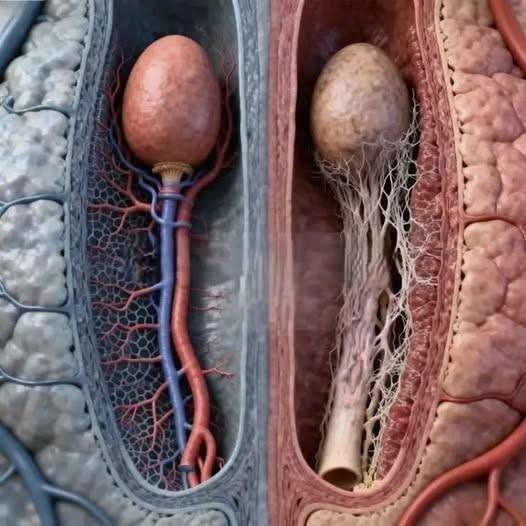
Circulation Plays an Important Role
Healthy blood flow is essential for normal sexual function. As people age, blood vessels can become less flexible, and conditions such as high blood pressure, diabetes, elevated cholesterol, and smoking can affect circulation.
For some men, this may mean that physical responses take longer or require more stimulation than they did when they were younger.
Because vascular health is closely connected with overall health, persistent changes may be worth mentioning to a healthcare professional. A medical evaluation can sometimes uncover a condition that is treatable or manageable.
Hormones Can Change Gradually
Testosterone levels generally change gradually with age rather than suddenly disappearing at a particular birthday.
Some men notice little difference, while others may experience changes in sexual interest, energy, mood, or muscle mass. However, these symptoms can have many possible explanations.
Poor sleep, certain medications, stress, depression, chronic illness, and other health concerns can produce similar symptoms. For that reason, symptoms alone aren’t enough to determine whether someone has a hormone-related condition.
A healthcare professional can decide whether testing or further evaluation is appropriate.
Physical Responses May Take Longer
The tissues, nerves, and blood vessels involved in sexual response can also change over time.
Some older men may need more time or stimulation to become fully aroused. Sensitivity can change, and the time needed before feeling ready for sexual activity again may become longer.
These changes don’t necessarily mean that intimacy has to become less satisfying. They may simply require different expectations, better communication, and more patience between partners.
Everyday Habits Can Make a Difference
Aging is only one part of the picture. Lifestyle and general health can also influence sexual function.
Regular physical activity can support cardiovascular health, mobility, mood, and overall endurance. A balanced eating pattern can help maintain a healthy weight and support heart health.
Avoiding tobacco is particularly important because smoking can damage blood vessels. Managing conditions such as diabetes and high blood pressure, getting sufficient sleep, and avoiding excessive alcohol consumption can also contribute to overall well-being.
These habits aren’t guaranteed to prevent age-related changes, but they can support healthier aging.
Not Every Change Should Be Blamed on Age
One of the most important points is that a new symptom shouldn’t automatically be dismissed as a normal consequence of getting older.
Pain, swelling, bleeding, a new lump, a significant change in curvature, sudden loss of function, or new urinary difficulties deserve medical attention.
Persistent changes in sexual function can also sometimes be associated with medications or underlying health conditions. A doctor can review the person’s medical history, medications, and symptoms and determine whether additional evaluation is needed.
Mental and Emotional Health Matter Too
Physical health isn’t the only factor involved.
Stress, anxiety, relationship difficulties, depression, and concerns about performance can all influence sexual experiences. Sometimes worrying about a physical change can create additional pressure, making the situation even more frustrating.
Partners may also misunderstand changes in spontaneity or physical response and assume they reflect reduced attraction. Open communication can help prevent those misunderstandings.
Intimacy can take many forms, and couples often benefit from focusing on connection and comfort rather than placing all the emphasis on one particular physical response.
Aging Doesn’t Mean the End of Intimacy
Growing older doesn’t mean that the body is “broken.” It means that some functions may change in timing, sensitivity, or intensity.
The healthiest approach is to pay attention to those changes without becoming unnecessarily alarmed. Maintaining cardiovascular health, staying physically active, managing existing medical conditions, communicating openly with a partner, and discussing persistent concerns with a qualified healthcare professional can all be helpful.
The goal of healthy aging isn’t to make the body behave exactly as it did decades ago. It’s to understand the changes, address problems that can be treated, and continue supporting physical and emotional well-being at every stage of life.