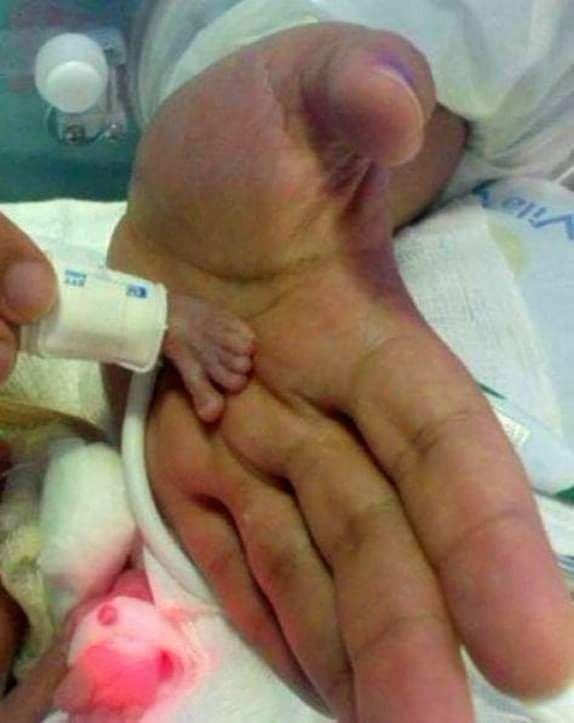
For the baby’s family, the numbers were more than statistics. They represented a fragile beginning and a long period of uncertainty.
A premature baby born this early may need specialized medical support while the lungs, digestive system, immune system, and other organs continue developing. Care can involve monitoring breathing, temperature, nutrition, and other vital functions.
A Long Road Ahead
The first days and weeks after an extremely premature birth can be demanding for both the baby and the family.
Instead of going home shortly after birth, a very premature newborn may spend an extended period in a neonatal intensive care unit (NICU), where medical teams can monitor the baby’s condition around the clock.
For parents and relatives, this period can feel like an emotional roller coaster. Small improvements can bring encouragement, while unexpected complications may create new concerns.
The baby’s progress is usually measured one step at a time.
More Than a Number
A weight of 720 grams can sound almost unbelievable when compared with the weight of a typical newborn. But the number alone does not tell the entire story.
Premature babies develop at different rates, and their medical journeys can vary considerably. Factors such as gestational age, overall condition at birth, and complications can all influence their care and recovery.
That is why stories involving premature babies are best understood through their individual circumstances rather than through a single statistic.
The Importance of Specialized Care
Modern neonatal medicine has made it possible for many babies born extremely prematurely to receive highly specialized care.
NICU teams may include neonatologists, nurses, respiratory specialists, nutrition specialists, and other healthcare professionals. Their work focuses on supporting the baby’s development while carefully watching for potential complications.
Families are also an important part of the process. Depending on the baby’s condition and hospital policies, parents may gradually participate in feeding, comforting, skin-to-skin contact, and other aspects of care.
Every Milestone Matters
For families experiencing a premature birth, progress may not always come in dramatic leaps.
A few more grams of weight, improved breathing, better tolerance of nutrition, or the ability to maintain body temperature can represent meaningful steps forward.
These small milestones can make a long hospital stay feel a little more manageable.
Eventually, the goal is for the baby to become strong enough to leave intensive care and, when medically appropriate, return home with the family.
A Story That Inspires Hope
A baby born at 24 weeks and weighing just 720 grams begins life facing challenges that most newborns never encounter.
Yet stories like this also highlight how far neonatal care has developed and how much dedication goes into caring for extremely premature infants.
It is important to remember that every premature baby is different. A particular outcome cannot be guaranteed for another child based on one story, and medical decisions should always be made by qualified healthcare professionals who know the individual circumstances.
What makes this story memorable is not simply the baby’s tiny size. It is the journey that follows—the careful medical care, the family’s patience, and the many small milestones that can turn an uncertain beginning into a story filled with hope.
From an extraordinarily small beginning to each new milestone, the journey reminds us that sometimes the smallest steps can carry enormous meaning.