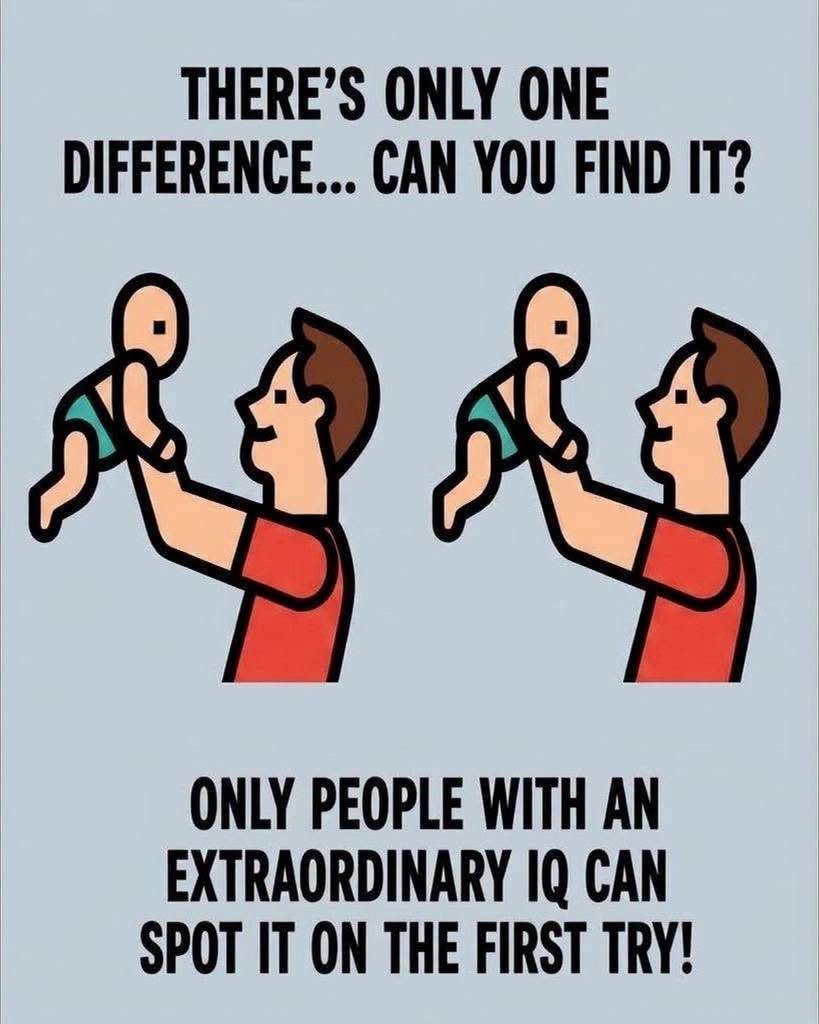
Start in one corner and slowly work your way across the image. Then move through the center before checking the lower portion. Look closely at:
- Small changes in shapes or outlines
- Colors and patterns
- The direction of objects
- Gaps and spacing
- Repeated objects
- Missing or added details
Try not to focus only on the largest or most noticeable object. The change may be located somewhere that initially seems unimportant.
Why Small Differences Can Be Hard to Notice
Our brains are designed to recognize familiar patterns quickly. When we see a scene that looks familiar, we often process the overall picture instead of examining every individual detail.
This is helpful in everyday situations because it allows us to understand our surroundings efficiently. However, it can also make a small alteration difficult to spot when two nearly identical images are placed side by side.
That is why taking a structured approach can be more effective than simply staring at the pictures.
Take Your Time
There is no need to solve the puzzle as quickly as possible. Your screen size, brightness, image quality, and even how rested you are can affect what you notice first.
If you cannot find the changed detail immediately, take a short break and look again. Sometimes approaching the image with a fresh perspective makes the difference much easier to recognize.
A Simple Observation Challenge
Puzzles like this are best viewed as casual entertainment rather than a test with a meaningful score. Finding the answer quickly does not necessarily say anything about someone’s intelligence, personality, or abilities.
The enjoyable part is the process of looking carefully, testing your assumptions, and eventually recognizing the detail that changed.
Once you spot it, the difference may seem obvious. That is part of what makes these puzzles so satisfying: something can remain unnoticed for a surprisingly long time and then become immediately visible.
Did You Find It?
If you spotted the difference, congratulations! If you are still looking, don’t give up too quickly.
Try dividing the image into smaller sections and comparing each area methodically. You may discover that the answer was hiding in plain sight.
You can also challenge friends or family members to find the same detail and compare how long each person takes. The goal isn’t to compete seriously—it’s simply a fun way to exercise observation and enjoy a visual challenge.
Remember: the best way to approach a puzzle like this is with patience and curiosity. Sometimes slowing down is all it takes to notice what you initially missed.