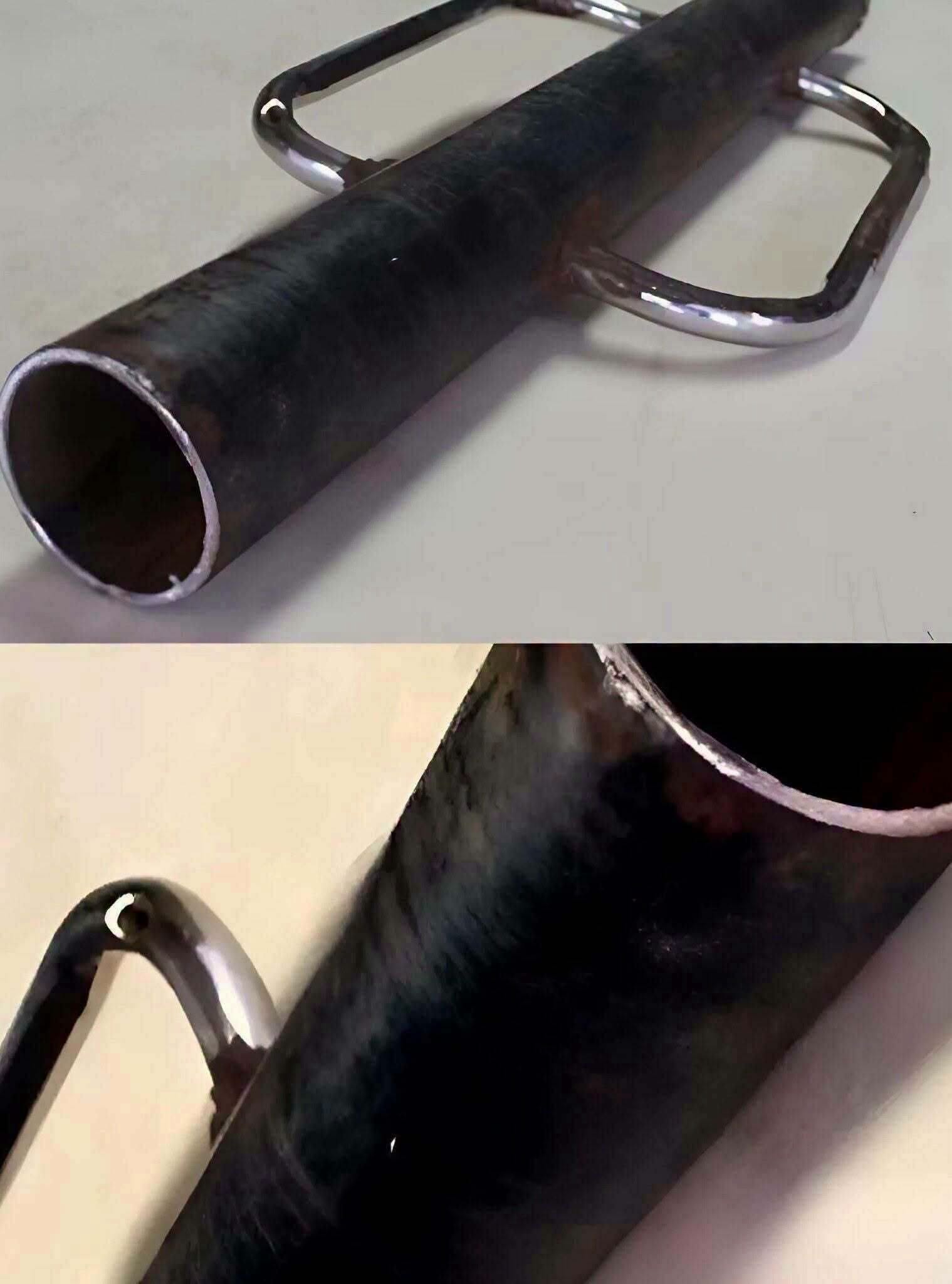
A Simple Design With a Practical Purpose
The object may look like a piece of scrap metal, but its shape suggests that it was designed for repeated use. The sturdy cylinder and handles make it easier to move, position, or operate in outdoor environments.
Rather than being a random piece of metal, tools with similar designs can be associated with agricultural, construction, landscaping, or fencing work.
The important clue is the way the different parts are arranged. A heavy body provides stability or weight, while the handles allow a person to control its position without having to lift the main section directly.
Why the Design Can Be Misleading
Many everyday tools are difficult to identify when they are photographed outside their normal environment.
A shovel, for example, is immediately recognizable when attached to a handle and surrounded by other gardening equipment. Remove the handle and place the metal component on its own, and its purpose becomes much less obvious.
The same principle applies here.
The unusual shape encourages people to guess based on appearance rather than function. That can lead to surprisingly creative answers.
How It Can Be Used
Tools of this general type can be designed to make demanding outdoor tasks easier. Depending on the exact model and dimensions, a weighted steel cylinder with handles may be used in agricultural or landscaping work, including tasks involving soil, ground preparation, fencing, or maintaining uneven surfaces.
The weight is particularly important. Instead of relying entirely on human strength, a heavy metal component can provide pressure and stability while the operator guides it using the handles.
That combination of weight, durability, and control is often what makes seemingly simple tools useful.
Why People Find These Objects So Interesting
Part of the appeal comes from the gap between appearance and purpose.
When an unfamiliar object is presented without explanation, the brain naturally tries to compare it with things it already knows. If none of those comparisons fit, the object can appear almost mysterious.
This is why identification puzzles are so popular online. They encourage people to slow down and examine details such as:
- Shape and dimensions
- Handles and attachment points
- Signs of repeated use
- Materials and construction
- The environment where the object is normally found
Each clue can narrow down the possibilities.
The Bigger Lesson
The mystery surrounding an unfamiliar tool is a useful reminder that photographs rarely tell the whole story. Context can completely change how an object is understood.
What initially looks like industrial scrap may turn out to be a carefully designed piece of equipment with a very practical purpose.
The next time you encounter an unusual metal object, it may be worth looking beyond its appearance. Its construction, weight, and design details could reveal far more about its intended use than its shape alone.
Sometimes the most ordinary tools become the most mysterious when we see them outside their usual surroundings.