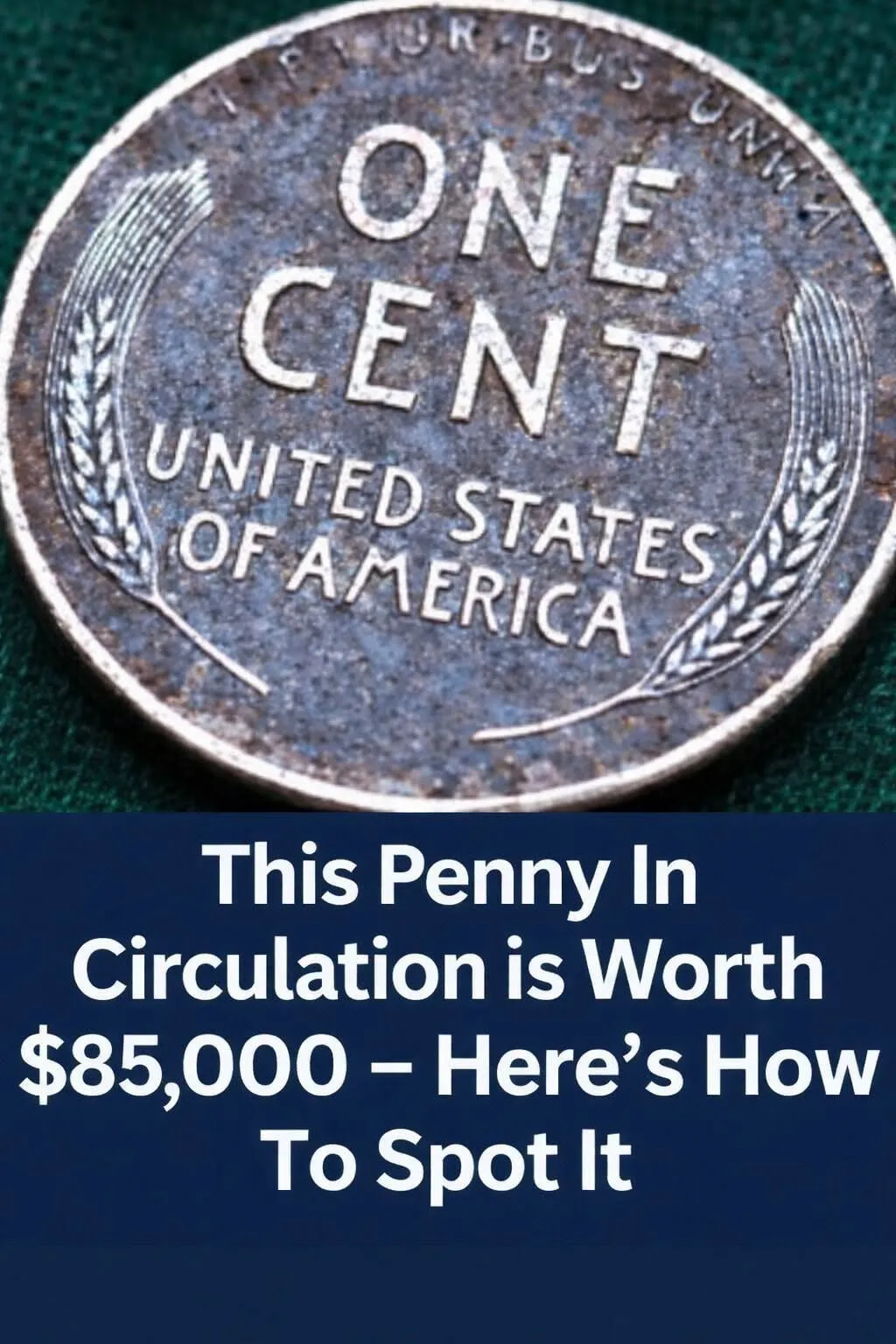
A penny is easy to ignore. It sits in a cup holder, disappears into a junk drawer, or gets dropped into a jar with the rest of the loose change. But in rare cases, a one-cent coin can be worth a much closer look.
One of the best-known examples among collectors is the 1943 bronze Lincoln cent, sometimes described as a 1943 copper penny. It looks simple at first glance, but its value comes from a wartime minting error that made it highly unusual.
Why 1943 Pennies Usually Look Different
During World War II, copper was needed for military production, including equipment and ammunition. To conserve the metal, the U.S. Mint changed the one-cent coin in 1943.
Instead of the usual bronze alloy, most 1943 Lincoln cents were made primarily from steel and coated with zinc. That is why genuine 1943 pennies commonly have a silver-gray color rather than the familiar reddish-brown copper tone.