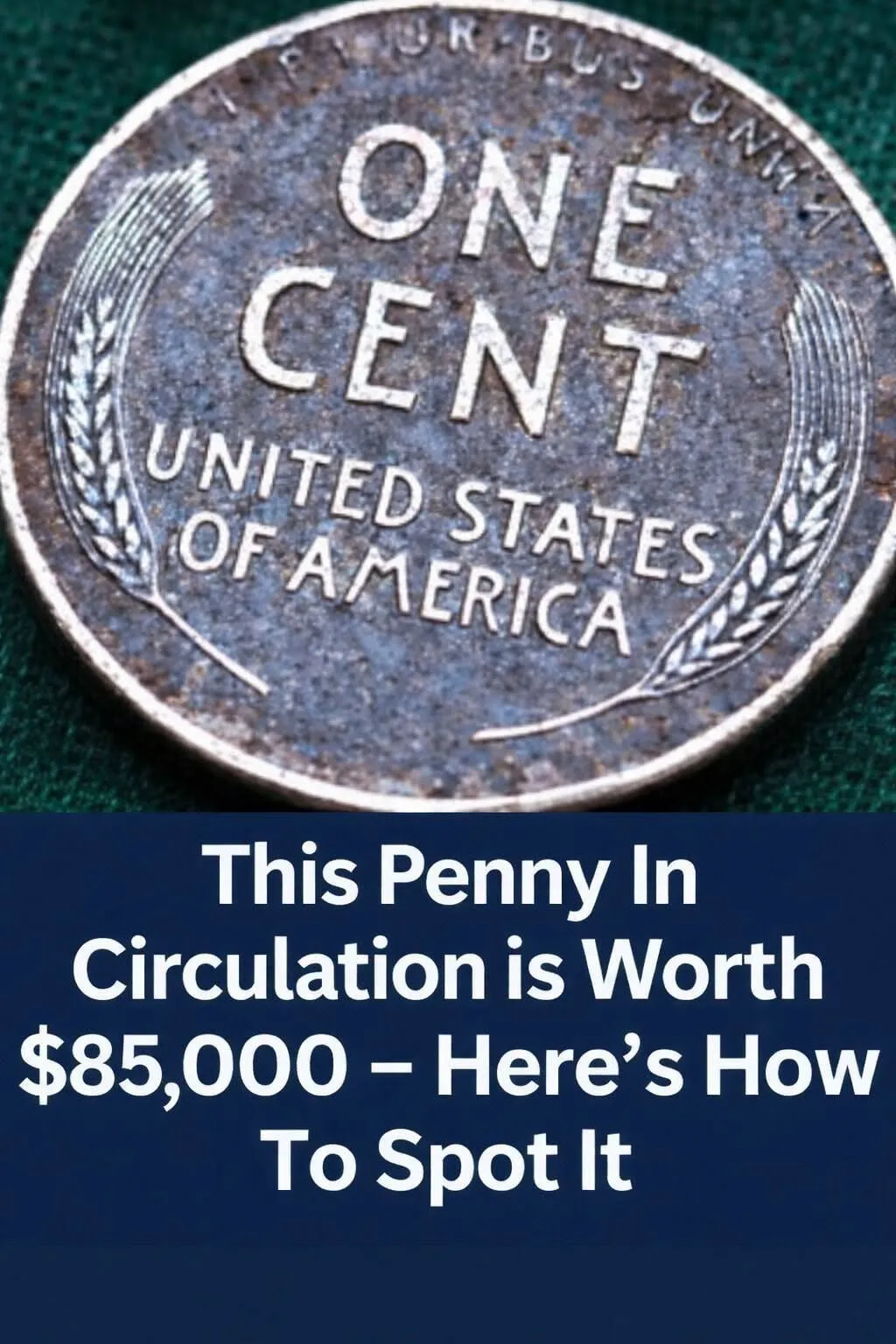
For collectors, that metal change is the key detail. A normal 1943 steel cent is part of American coin history, but it is not the same as the far rarer bronze version.
The Error Collectors Still Look For
The rare 1943 bronze cents are believed to have been created when a small number of leftover bronze planchets from 1942 remained in the minting equipment. Planchets are the blank metal discs used before coins are struck.
When those older bronze blanks were accidentally used for 1943-dated coins, the result was a Lincoln cent made with the wrong metal. Only a tiny number are known compared with the enormous number of regular steel cents produced that year.
That scarcity is what makes the coin so interesting to numismatists. It is not valuable simply because it is old; it is valuable because it combines a specific date, an unusual metal composition, and a documented production mistake.
What Readers Should Know
If you find a copper-colored 1943 penny, caution matters. Some coins may be altered, plated, damaged, or misidentified, so appearance alone is not enough to prove rarity.
Collectors usually look for details such as the date, the coin’s color, weight, and whether it responds to a magnet. A typical 1943 steel cent should be attracted to a magnet, while bronze is not. Even so, a potentially valuable coin should be reviewed by a reputable coin dealer or professional grading service before anyone assumes it is authentic.
For anyone sorting through inherited coins or old change jars, the bigger lesson is simple: condition, authenticity, and rarity all affect collector value. A small coin can carry real financial interest, but verification is essential before buying, selling, or insuring a collectible.
The next time loose change turns up in a drawer, it may be worth slowing down for a second look.