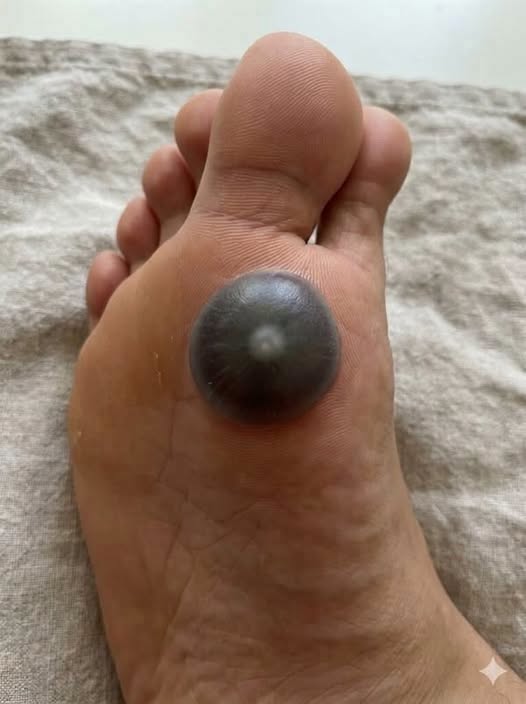
Fever, unusual tiredness, rapidly increasing pain, numbness, a pale or cold foot, or a child refusing to put weight on the foot should be taken seriously. A possible puncture wound, burn, bite, or chemical exposure also changes the level of concern.
Severe allergic or inflammatory reactions can also cause swelling and discomfort. Less common causes are possible too, which is why a clinician needs to examine the foot in person when the mark is large, painful, unusual, or limiting movement.
What Parents Should Not Do at Home
The spot should not be cut, squeezed, or punctured. Popping a blister at home can open the skin to bacteria, increase pain, and make an infection more likely. It can also cause bleeding and make it harder for a healthcare professional to assess what is really happening.
It is also best to avoid peroxide, harsh antiseptics, or unverified creams on an unexplained lesion. These products may irritate the skin and complicate the exam. Online advice can sound confident, but no comment section can check circulation, skin temperature, depth, or the child’s overall condition.
While waiting for medical advice, keep pressure off the area. Avoid tight shoes and strenuous activity. If the skin is not open, a clean, loose dressing may help protect the spot without pressing on it.
What Readers Should Know
Parents can safely observe the foot without manipulating the mark. Notice whether the spot feels soft and fluid-filled or firm and hot. Watch whether the surrounding skin is getting redder, whether swelling is spreading, and whether the mark is growing over a few hours.
It is also useful to check whether the child can move the toes and ankle normally. Numbness, unusual coldness, or a color change beyond the spot should be mentioned right away when contacting a pediatrician, urgent care clinic, or emergency department.
Same-day medical guidance is a sensible choice if the child cannot walk normally, the spot is large, the pain is significant, or the cause is unknown. Urgent care or emergency evaluation becomes more important if symptoms are worsening quickly, fever appears, the foot looks pale or numb, or there are signs of a puncture, bite, burn, or chemical exposure.
Children with diabetes, circulation problems, or a weakened immune system may need especially prompt care. Medication should only be used based on the child’s age, health history, and professional guidance.
Most minor foot injuries and blisters can be treated successfully, especially when they are addressed early. The goal is not to assume the worst, but to make sure a routine injury is not actually an infection or another condition that needs treatment.
A sudden painful foot mark that changes how a child walks is worth checking properly. When in doubt, a qualified healthcare professional is the safest person to make the call.