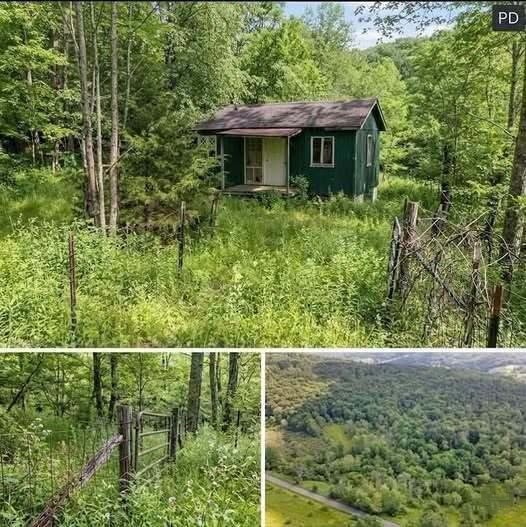
Potential buyers might imagine the land as a recreational retreat, a camping spot where allowed, a garden space, or possibly the site of a small future getaway. However, those ideas depend entirely on what local regulations and site conditions permit.
What Buyers Should Check First
Before purchasing undeveloped land, buyers should confirm the practical details that can affect cost, usability, and long-term plans. Important questions include whether the property has legal road access, whether utilities are nearby, and what options exist for water and septic service.
Zoning rules are also essential. Local regulations may limit camping, building, accessory structures, recreational use, driveway installation, or clearing trees. Buyers should also review property boundaries, easements, taxes, environmental restrictions, and any rules that could affect construction or land improvements.
These checks can influence the overall financial picture. Even land listed at an affordable price may require additional spending for surveys, permits, utility connections, access improvements, insurance, taxes, or site preparation. Professional due diligence can help buyers avoid surprises after closing.
The Bigger Picture
Small rural or wooded parcels often attract people who want more personal space without immediately committing to a full home purchase. For the right buyer, this 1.5-acre property could be a starting point for a peaceful retreat or a simple place to enjoy time outdoors.
Still, the land’s future will depend on what is legally allowed, what the site can support, and how much the buyer is prepared to invest beyond the purchase price.
For anyone drawn to quiet land and open possibilities, this listing is a reminder that the dream begins with the setting, but the smart decisions begin with the research.