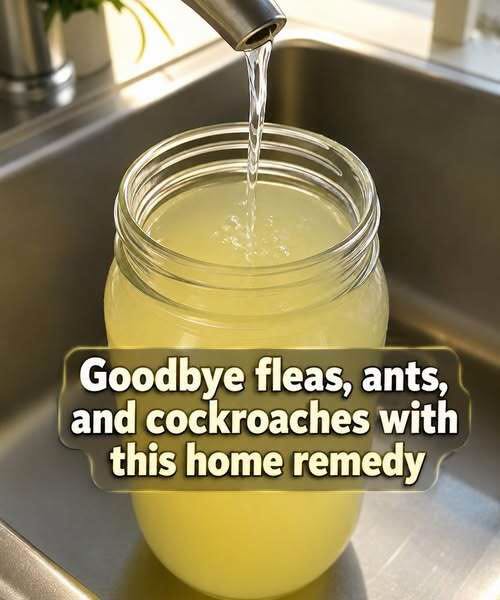
In this mixture, cloves provide the botanical scent, vinegar or alcohol adds another sharp odor, and dish soap helps the liquid spread more evenly across surfaces. Together, the ingredients create a basic spray that some people use around areas where pests are commonly noticed.
How to Make the Clove-Based Spray
To prepare the clove infusion, add ¼ cup of water to a small pot and bring it to a boil. Add 2 tablespoons of whole cloves, let them simmer for about one minute, then remove the pot from heat.
Cover the pot and let the mixture sit for approximately 10 minutes. This gives the water time to absorb the cloves’ aroma. Once it has cooled, strain out the cloves so only the infused liquid remains.
In a separate container, gently combine vinegar or alcohol with a small amount of dish soap. Stir slowly to avoid creating too much foam. Once the clove infusion is completely cool, add it to the mixture and transfer everything into a clean spray bottle.
Shake the bottle lightly before each use, as homemade mixtures can separate over time.
What Readers Should Know Before Using It
This type of spray is commonly used around places where insects are often seen, such as kitchen counters, baseboards, trash areas, and spots near moisture. Kitchens are especially attractive to pests because of food particles, warmth, and water.
For homes with pets, it is important to keep floors, bedding areas, and surrounding spaces clean. Do not spray homemade mixtures directly onto animals unless the product is specifically designed and approved for that purpose.
It is also wise to test any spray on a small hidden area first, especially on painted surfaces, wood, fabric, stone, or delicate finishes. Vinegar, alcohol, and soap can affect some materials.
A homemade spray should not replace professional pest control when there is a serious infestation. If insects keep returning, the more effective approach is usually a combination of cleaning, removing food and water sources, sealing cracks or gaps, and getting professional help when needed.
From a household budget standpoint, DIY sprays can be a low-cost addition to routine home maintenance. Still, the best results usually come from prevention: wiping counters, storing food securely, fixing moisture problems, and blocking easy access points.
Simple home solutions work best when they are used carefully and consistently. This spray may be one useful tool, but a cleaner, better-sealed home is what makes the biggest difference over time.