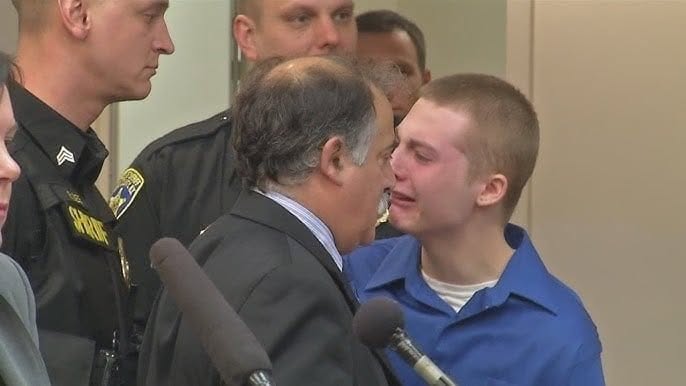
A courtroom sentence of 452 years is almost impossible to process. It is longer than any human life, longer than generations, and it turned one teenager’s criminal case into a much larger argument about justice, punishment and whether young offenders should ever be considered beyond rehabilitation.
The judge’s decision brought a formal end to the legal proceedings, but it did not settle the questions surrounding the case. For the victims and their families, the sentence represented recognition of the harm they endured. For critics, it raised concerns about how the justice system handles teenagers who commit grave crimes.
Two Views of the Same Sentence
Prosecutors argued that the severity of the crimes required an equally severe punishment. Their position was centered on public safety, accountability and the belief that the victims deserved assurance that the offender would not return to the community.
The defense saw the case differently. They pointed to the offender’s age and argued that a teenager is still developing emotionally and mentally. Their argument was not that the crimes should be ignored, but that a sentence measured in centuries leaves no meaningful room for change, treatment or rehabilitation.