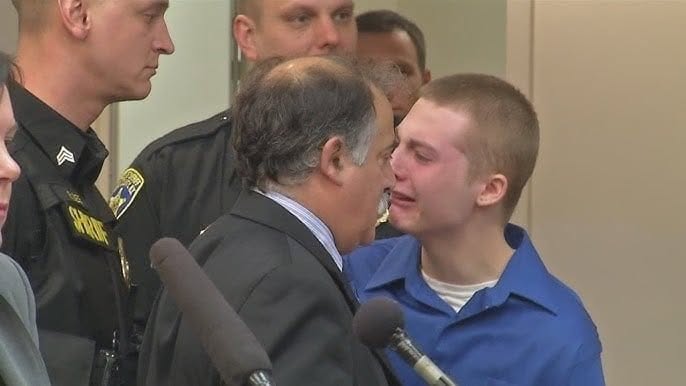
That divide is what made the case so difficult for many people to discuss. The sentence was not simply a number. It became a symbol of two competing ideas: the need to protect victims and the public, and the question of whether the legal system should ever permanently write off someone who was still a teenager at the time.
The Human Cost Inside the Courtroom
Cases like this are never abstract for the people directly affected. Victims and their relatives often carry the emotional consequences long after the legal process ends. A lengthy sentence can feel, to them, like the court has finally acknowledged the depth of their suffering.
At the same time, the offender’s family faced the reality that their child would likely never live outside prison walls again. That does not erase responsibility, but it adds another painful layer to a case already defined by loss, fear and anger.
The reaction after the sentencing showed how deeply divided people remain over juvenile punishment. Some viewed the outcome as necessary and proportionate. Others saw it as evidence of a system that relies too heavily on permanent incarceration, especially for young defendants.
The Bigger Picture
The case fits into a broader national debate over long prison sentences, youth offenders and the purpose of incarceration. Is prison meant mainly to punish? To protect the public? To rehabilitate? Or some combination of all three?
Those questions matter because sentencing decisions affect more than one defendant. They shape prison costs, court policy, victims’ rights, public safety planning and the long-term direction of the criminal justice system. When a teenager receives a sentence that stretches across centuries, the case naturally becomes part of that wider legal and social conversation.
No single case can answer every question about justice. But this one forces readers to sit with an uncomfortable tension: how to honor victims’ pain while still asking what society believes about youth, accountability and the possibility of change.
The sentence has been handed down, but the debate around it is likely to continue wherever people discuss crime, punishment and second chances.