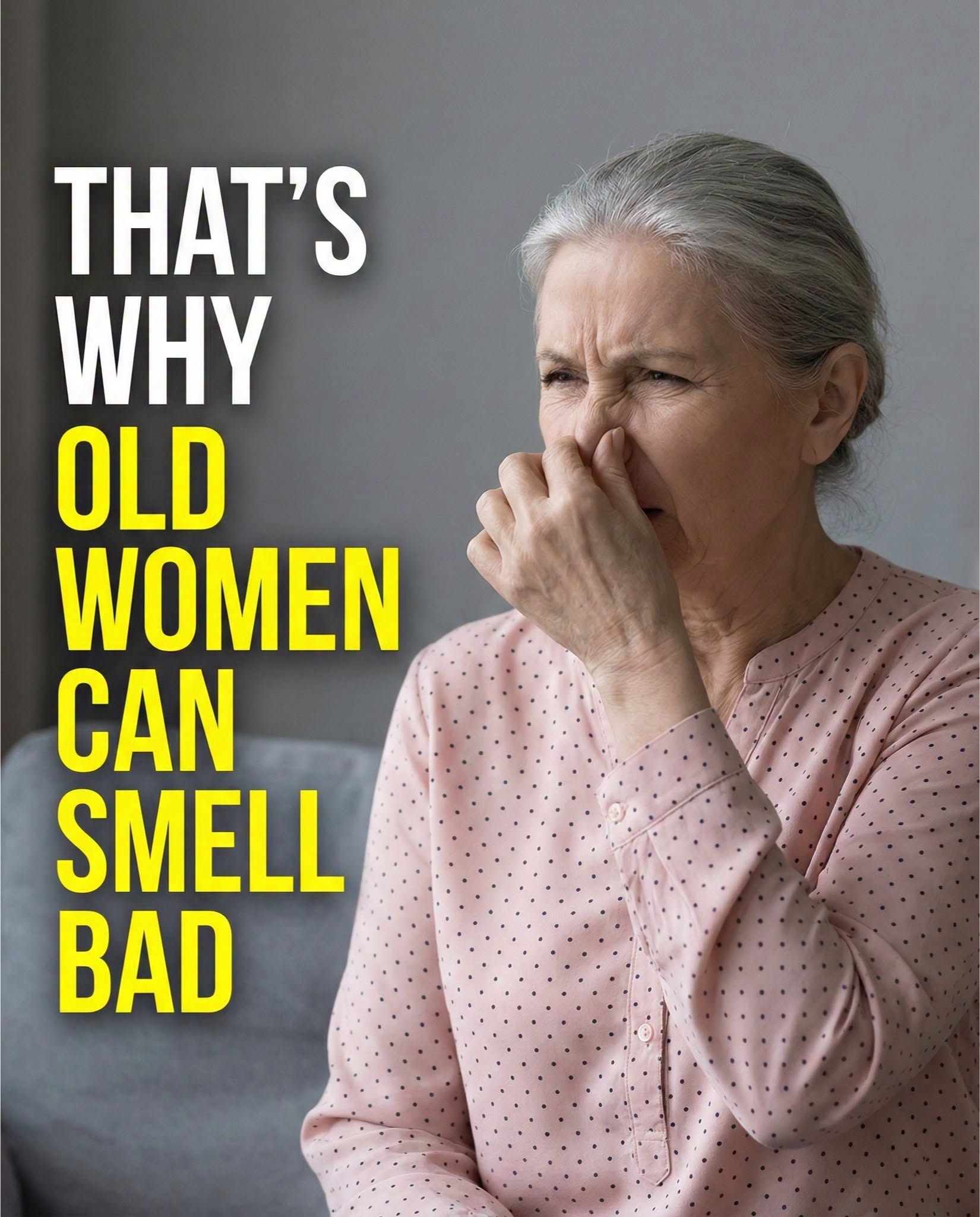
Body odor can become more noticeable with age, even for people who shower regularly and take hygiene seriously. That does not mean someone is “unclean.” Aging skin changes over time: it can become thinner, drier, and more easily irritated, while hormones, skin oils, medications, diet, clothing, and health conditions may all affect how the body smells.
One compound often linked with age-related odor is 2-nonenal, but the solution is not to scrub harder or cover everything with heavy fragrance. In many cases, small bathroom and laundry habits make the biggest difference.
Common Bathroom Habits That Can Make Odor Worse
Using very hot water and harsh soap can dry out aging skin and strip away protective oils. Strongly scented cleansers may also irritate fragile skin. When the skin barrier is irritated, odor can become harder to manage. Warm water and a mild, fragrance-free cleanser are usually a better choice, especially for daily washing.
Rushing through moisture-prone areas can also leave odor behind. Armpits, the groin area, feet, skin folds, and the area beneath the breasts can hold sweat, oil, and dead skin. These areas need gentle, careful cleaning and a thorough rinse so soap residue does not remain on the skin.