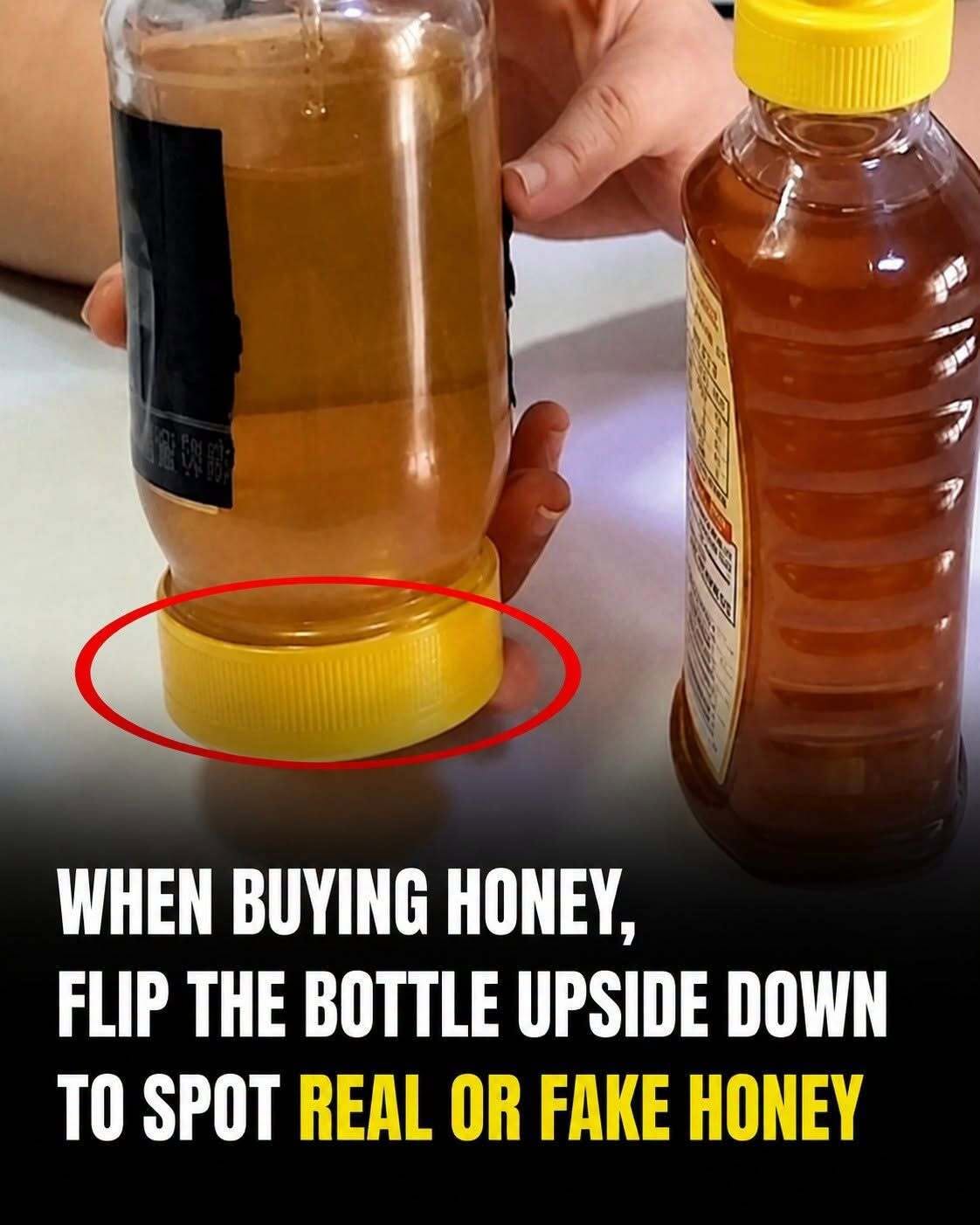
That is why the bottle flip test should not be treated as proof. It is a visual clue about texture, not a reliable check for authenticity.
Other Kitchen Tests Have the Same Problem
Many home tests promise quick answers: dropping honey in water, trying to burn it, rubbing it on a thumb, or looking for patterns in a glass. The problem is that these tricks often confuse basic physical behavior with evidence.
Real honey can behave differently from jar to jar. Storage temperature, natural sugars, age, and floral source can all influence what people see in these informal tests. Sophisticated syrup additions are not always obvious, which is why proper testing requires laboratory methods rather than viral shortcuts.
What Readers Should Know
For shoppers, the most useful steps are less dramatic but much more practical. Buy from trusted beekeepers or brands that clearly share sourcing details. Read the label for origin information, batch numbers, and any transparency about where the honey was packed or produced.
Price is another clue worth considering. If a jar is far cheaper than similar products, it may be worth asking why. That does not automatically prove a problem, but smart grocery spending means paying attention to value, sourcing, and product claims.
If something seems off, keep the receipt and batch number. A formal complaint to the retailer, brand, or relevant consumer authority can create accountability in a way that a social media test cannot.
The upside-down bottle may be satisfying to watch, but it is not a verdict. When it comes to honey, careful buying beats kitchen tricks every time.