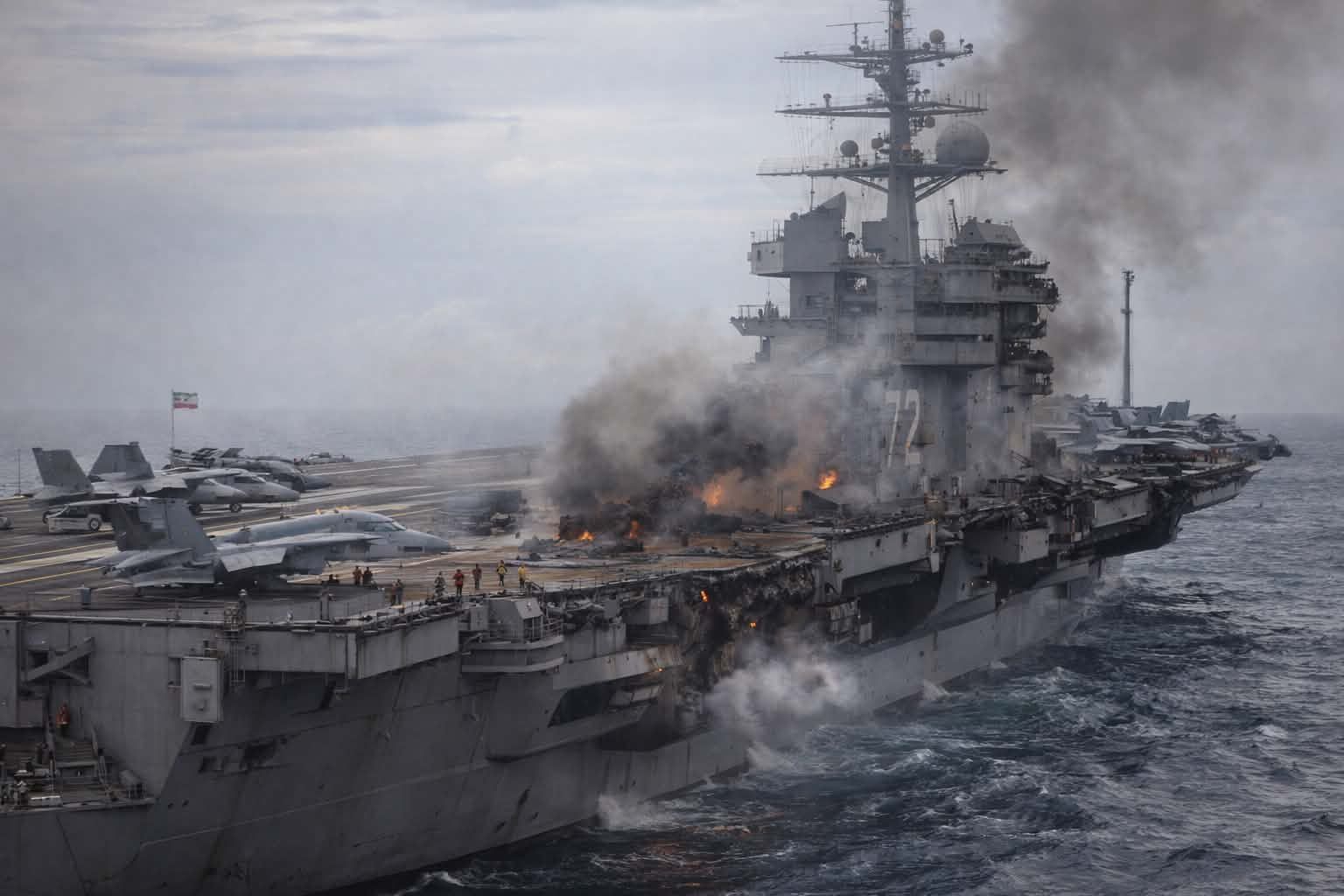
To counter the Iranian narrative, the U.S. Navy released footage showing F/A-18E Super Hornets continuing flight operations from the Lincoln’s deck. The message was clear: the carrier strike group was still operating.
The USS Abraham Lincoln is one of the most visible symbols of U.S. military reach. A confirmed attack causing damage to a carrier of that size would mark a major escalation, which is why both the claim and the denial have drawn close attention from governments, defense analysts, and global markets.
Why This Matters Beyond the Military
The location of the confrontation is central to the concern. The Strait of Hormuz is one of the world’s most important oil transit routes, and even unconfirmed military claims can affect energy markets when traders begin pricing in the risk of disruption.
Oil price volatility can eventually reach consumers and businesses through higher fuel costs, shipping expenses, airline pricing, and broader inflation pressure. For companies that rely on global supply chains, instability in the Gulf can also raise insurance and transportation costs.
Regional governments are now facing the challenge of preventing a miscalculation. In a crowded maritime environment, misinformation, technical failures, or misunderstood military movements can create risks far beyond the original incident.
What Happens Next
For now, the key fact is that the U.S. says the USS Abraham Lincoln is operational and undamaged, while Iranian-linked sources continue to promote a different version of events. Until independently verified evidence emerges, the strike claim remains disputed.
Diplomatic efforts and military signaling will be watched closely in the coming days. Any movement near the Strait of Hormuz, any additional missile launches, or any change in the carrier group’s posture could influence both security calculations and global energy markets.
The situation remains fluid, and readers should treat dramatic battlefield claims with caution until they are confirmed by reliable sources.