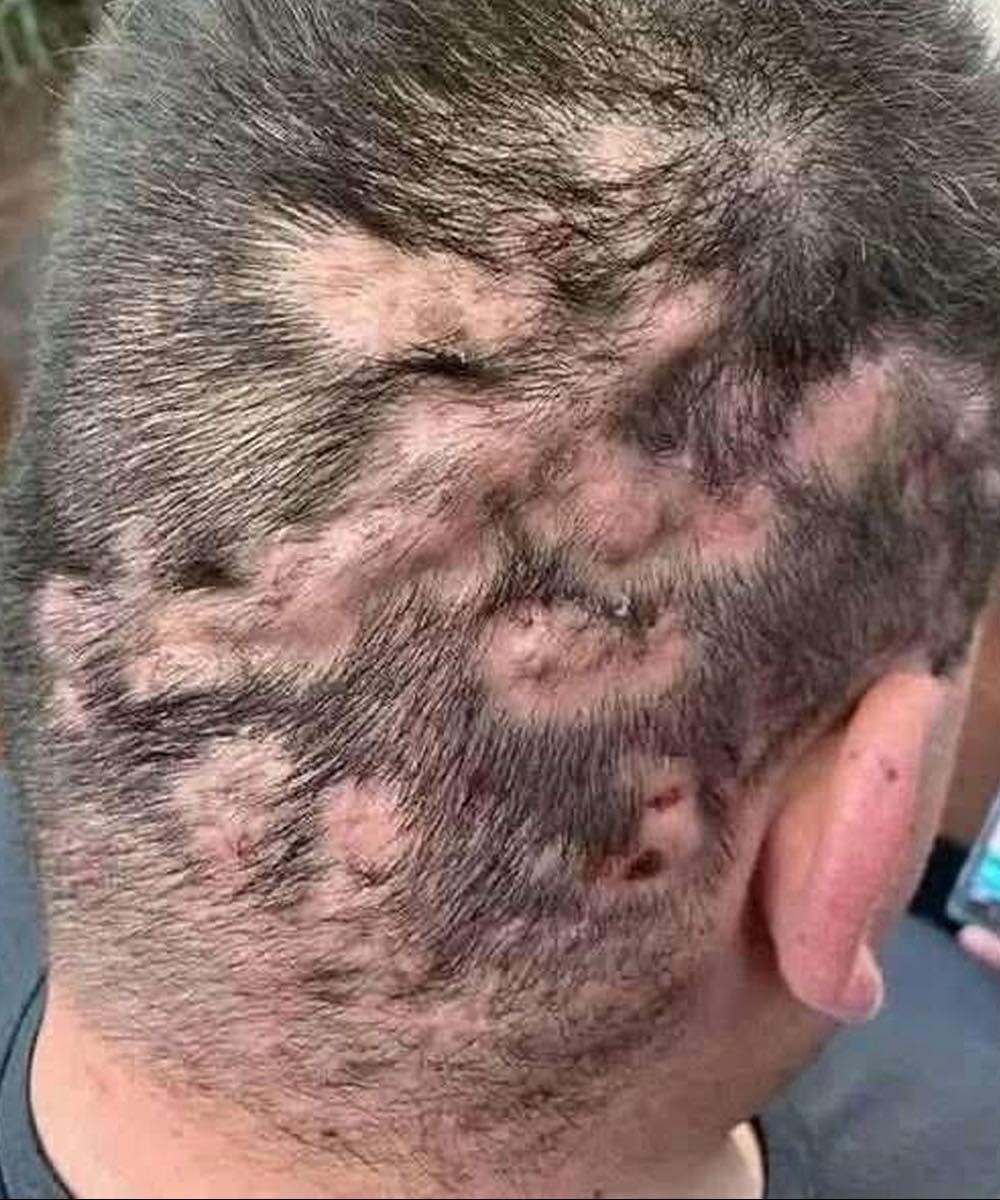
When insulin levels are higher, skin cells may grow more quickly. That can lead to darker, thicker patches that develop gradually and are usually painless.
What Readers Should Know
By itself, acanthosis nigricans is not usually described as harmful. The bigger concern is what it may be pointing to. In some people, these skin changes can be an early warning sign related to blood sugar regulation, including possible risk for Type 2 diabetes.
Because the patches often appear slowly, they can be easy to ignore. A change that stays the same for a short time may not seem urgent, but patches that persist, spread, darken, or thicken deserve attention from a healthcare professional.
A doctor may recommend simple checks, such as blood glucose or insulin-related testing, to better understand whether there is an underlying issue. Getting guidance early can be helpful for prevention, monitoring, and long-term health planning.
Why This Matters
Skin changes can sometimes be one of the first visible signs that something else needs attention. That does not mean every dark patch is dangerous, and it is not a reason to panic. It does mean the body may be offering a signal that should not be brushed aside.
If you notice dark, velvety patches that do not fade with normal washing, consider bringing it up at your next medical visit. Paying attention early can make healthcare decisions clearer and may help catch potential problems before they become harder to manage.
Your skin can offer useful clues about your overall health, so it is worth noticing changes and asking the right questions when something seems different.