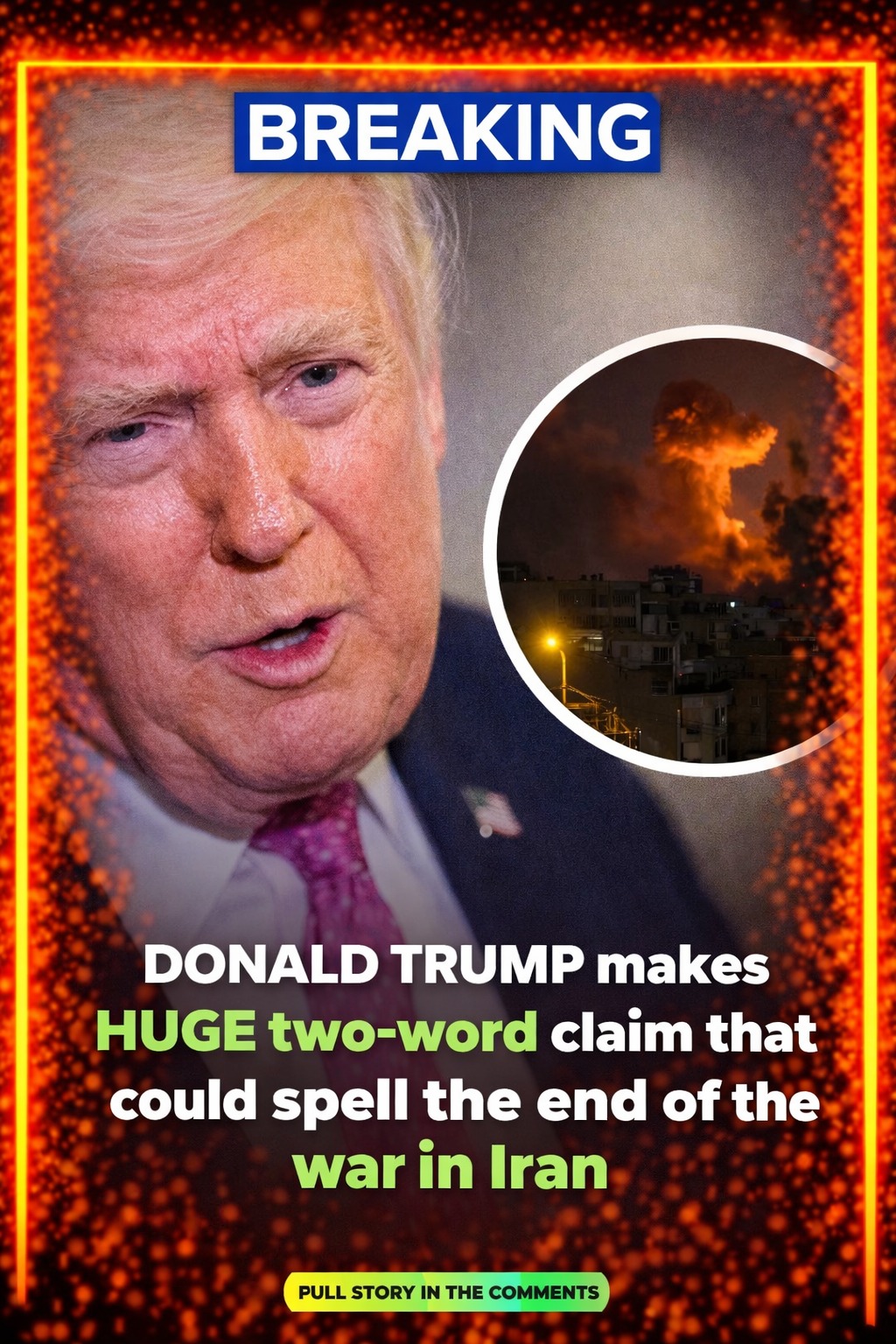
Trump’s “Regime Change” Remark Sparks Fresh Questions About Iran, Oil Prices, and What Comes Next
A new wave of global attention hit the Middle East this week after former U.S. President Donald Trump made a blunt, headline-grabbing claim: “regime change” in Iran. The phrase spread quickly across newsrooms and social media, fueling intense debate about whether the conflict is nearing a turning point—or entering a more uncertain phase.
Big statements can shape public perception, but the situation on the ground is rarely that simple. Diplomats, security analysts, and energy-market watchers are now asking the same question: does this language reflect a real shift in power, or is it political messaging aimed at projecting strength during a volatile moment?
What “Regime Change” Means in Practice—and Why It’s Contested
In international politics, “regime change” implies a collapse or replacement of a country’s ruling structure. Yet even when leadership is disrupted, state institutions can remain intact—especially in systems built to survive internal shocks. That’s why many observers caution against treating a two-word claim as proof that a complex government has simply vanished.
Reports and commentary circulating among regional experts suggest that Iran’s governing apparatus, including security and administrative networks, may be adapting rather than disappearing. In other words, the power structure could be shifting inside the system instead of being removed entirely.