Why the Conflict Still Matters to American Families: Inflation, Gas Prices, and the Economy
Beyond geopolitics, the ripple effects are hitting everyday budgets. Any sustained tension involving Iran can tighten global energy supplies, push up crude oil benchmarks, and raise the cost of gasoline and transportation. For consumers, that can mean higher prices across the board—shipping, groceries, commuting, and household essentials.
With the U.S. economy already sensitive to inflation pressures, energy volatility is becoming a major political issue. When fuel costs rise, it can quickly turn foreign policy into a kitchen-table concern—especially heading into major election cycles.
Allies Want Clarity: Strategy Matters More Than Soundbites
America’s partners are also watching closely. Allies may share concerns about regional security and nuclear proliferation, but they often want a clear endgame: What’s the objective, what’s the timeline, and what happens the day after?
That demand for clarity is growing louder because prolonged conflict can destabilize trade routes, disrupt energy markets, and increase security risks far beyond the Middle East. Even friendly governments tend to worry about open-ended escalation—particularly when public messaging sounds more definitive than the reality on the ground.
Behind-the-Scenes Diplomacy: The Push for De-Escalation
As tensions remain high, diplomatic efforts are increasingly viewed as the only realistic path to a durable outcome. Regional intermediaries and international stakeholders often explore back-channel talks when public positions harden. These quiet negotiations can focus on ceasefire frameworks, humanitarian access, prisoner exchanges, and steps that reduce the risk of a wider regional war.
The renewed interest in mediation reflects a hard truth of modern conflict: military pressure may change conditions, but it rarely settles the political questions that keep wars alive.
A Divided Global Reaction
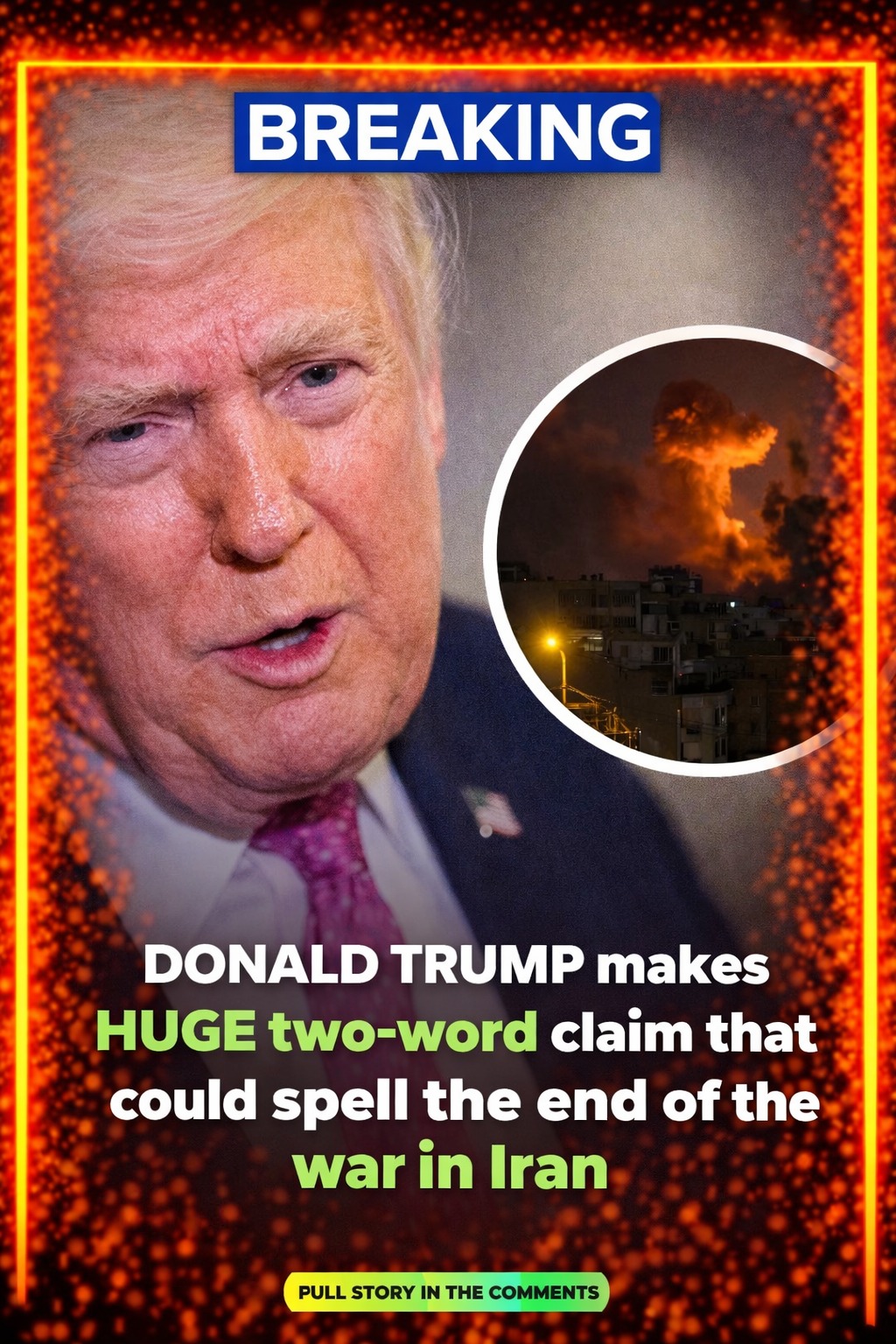
Trump’s statement has polarized opinion. Supporters see it as a sign of decisive leadership and a warning to adversaries. Critics argue it oversimplifies a deeply layered conflict and could encourage unrealistic expectations—or miscalculations—if policymakers start believing the talking points instead of the intelligence picture.
Either way, the gap between victory-style language and ongoing instability is what keeps markets nervous and diplomats active. When uncertainty rises, so do the risks: miscommunication, escalation, and economic fallout.
The Bottom Line: The World Wants a Plan, Not Just a Phrase
Whether Iran is truly entering a new political chapter—or simply reorganizing under pressure—remains unclear. What is clear is that the stakes are enormous: regional security, global energy prices, and the lives of civilians caught in the middle. History shows that lasting stability comes from credible strategy, consistent diplomacy, and realistic goals—not just bold declarations.
What do you think—was “regime change” a real signal of shifting power, or just political theater? Share your take in the comments, and if you want more updates on global security, oil markets, and U.S. foreign policy, bookmark this page and check back soon.