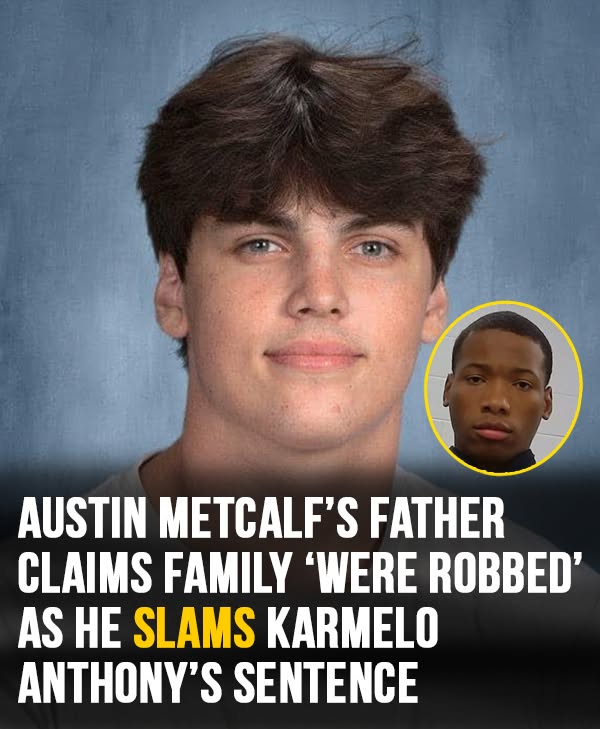
Jeff pushed back on suggestions that the case should be viewed through the lens of race or politics. In his view, the matter was simpler and more painful: one decision ended a teenager’s life and left a family to live with the consequences.
His remarks reflected the emotional weight often felt in victim impact statements, where families try to explain a loss that legal language cannot fully capture.
His Twin Brother Describes the Silence Left Behind
Austin’s twin brother, Hunter, also spoke about the daily reality of losing him. He described mornings marked by a closed bedroom door and the absence of the person who had been part of his life in the closest possible way.
At one point, Anthony looked up and met Hunter’s eyes. But for the family, that moment did not bring the kind of closure people often imagine after a verdict. The sentence answered the legal question, but it did not restore what was taken.
The Bigger Picture
The case has drawn attention because it involved teenagers, a school sports setting, and a sudden act of violence in a place where families expect students to be safe. It also shows how criminal trials can become about more than evidence and sentencing; they become public records of grief, responsibility, and the long aftermath for everyone involved.
For the Metcalf family, the court’s decision marked the end of one chapter, but not the end of their loss. The empty seat Austin left behind remains the part no verdict can fill.