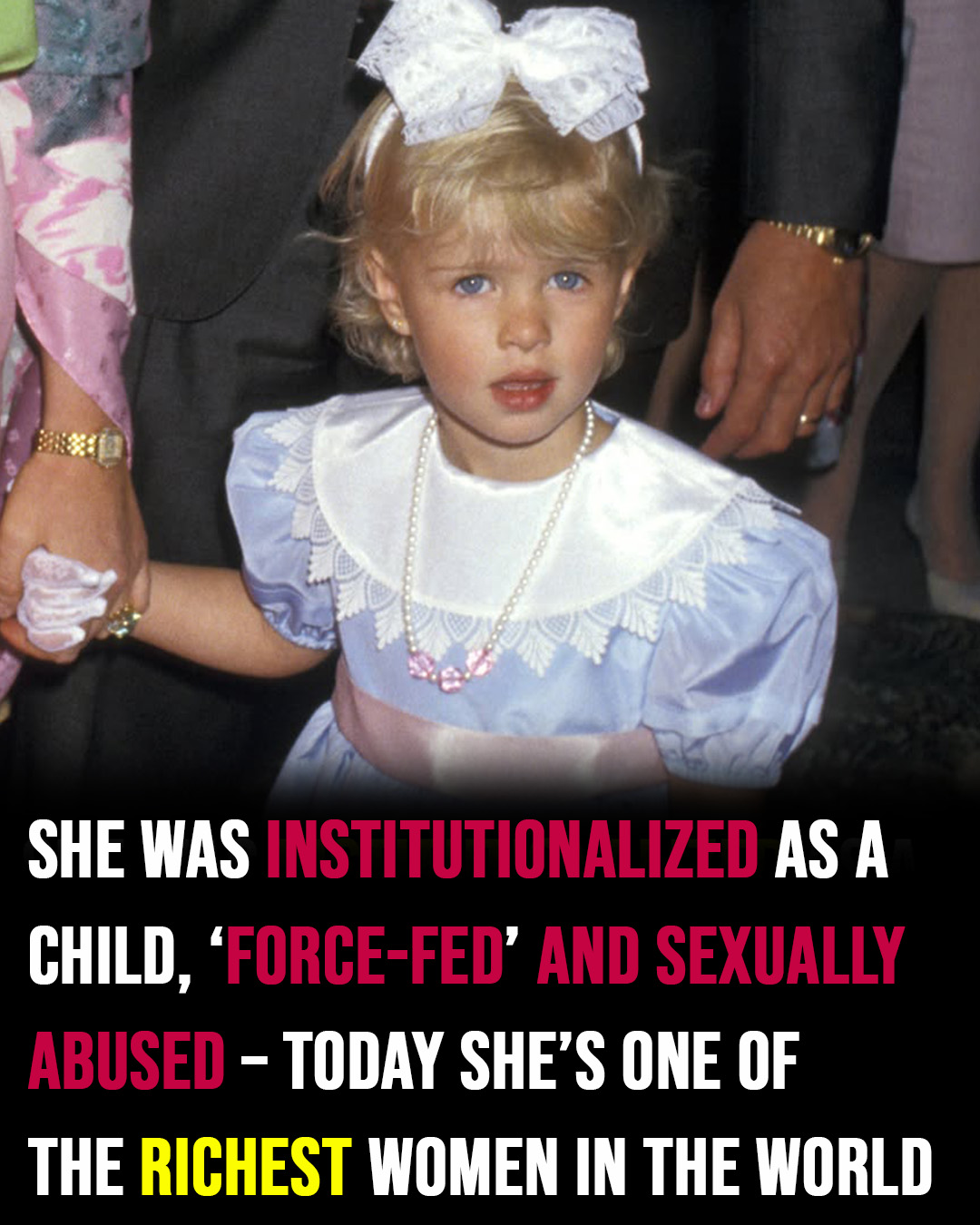
Forced Medication and a Stolen Childhood: Paris Hilton’s Fight for Teen Rights
Paris Hilton’s story isn’t a glossy “comeback” packaged for headlines. It’s something far more personal—and far more urgent. It’s a hard-earned reclamation of her voice, her childhood, and her right to tell the truth about what happened behind closed doors.
As a teenager, she describes being placed in environments where control mattered more than care—where fear, silence, and forced compliance were treated like “treatment.” The image of a young person sitting for hours, staring at a wall, isn’t just heartbreaking; it’s a warning sign of what can happen when vulnerable teens are stripped of autonomy and adults aren’t held accountable.
Today, Hilton is using her platform in a way that reaches beyond celebrity. She has shown up in front of lawmakers and pushed for youth mental health reform, teen treatment center oversight, and stronger child welfare protections. Her message is clear: there must be real transparency, enforceable standards, and meaningful regulation for residential programs that claim to help troubled teens—especially when those programs operate in the shadows.
Her advocacy speaks to a bigger reality: an industry can grow quickly when it’s powered by parental fear and a lack of clear information. When families are desperate for help, they may trust marketing promises without seeing what happens behind the doors. And when teens don’t have a safe way to report mistreatment, silence becomes part of the system.