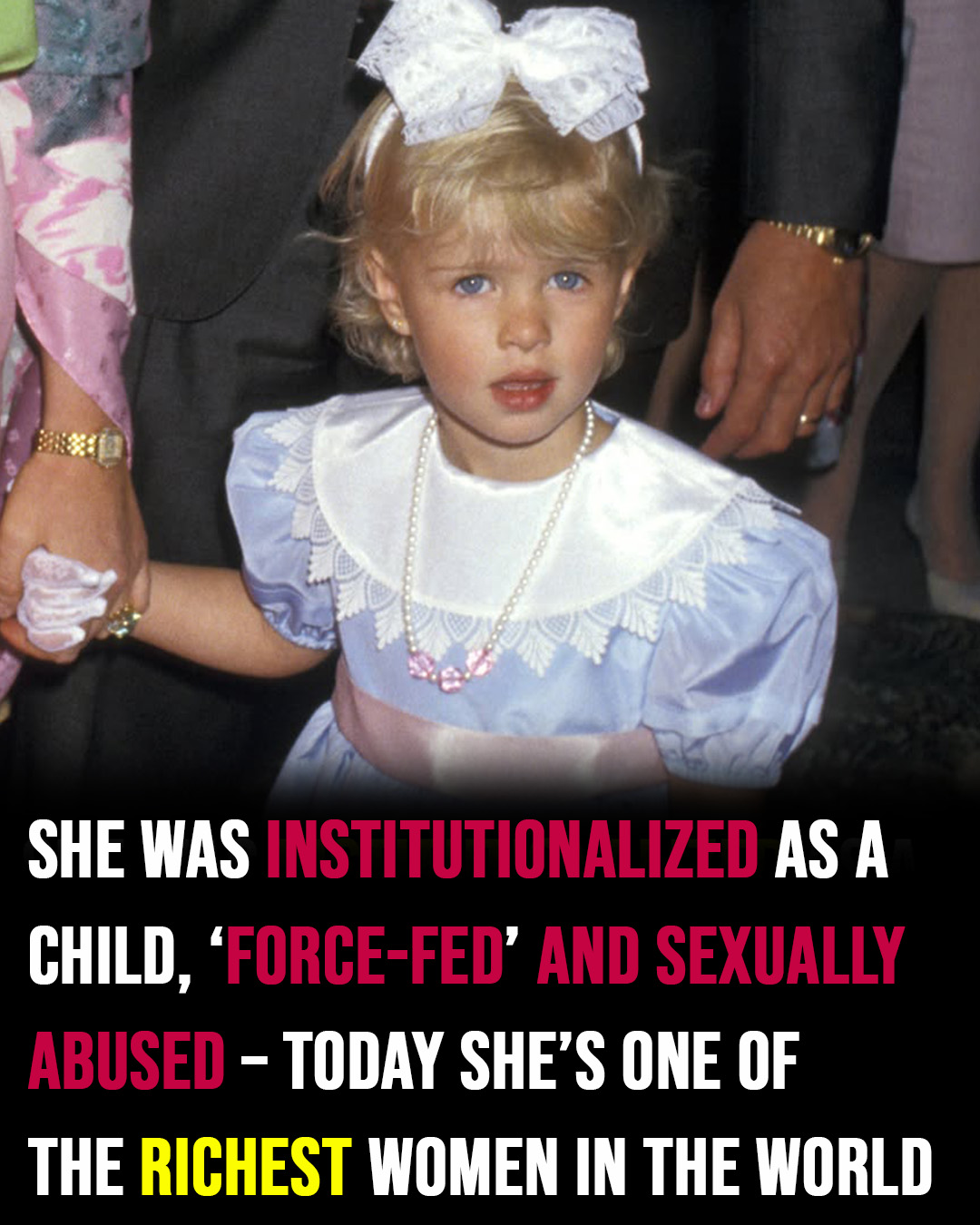
Building a Life That Defies the Old Narrative
At the same time, Hilton’s life today challenges the simplified persona the public once consumed. She’s built a business empire through branding, licensing, and long-term strategy—proof that “famous” and “self-made” can overlap when someone is willing to do the work.
She’s also created a home life that reflects what she says she missed when she was younger: safety, stability, and being seen as a whole person. With a partner who recognizes her beyond the public image and with children who’ve deepened her understanding of love and protection, she’s crafting the kind of environment many survivors spend years trying to rebuild.
Trauma doesn’t disappear because life looks polished. It changes shape. It shows up in boundaries, in vigilance, in the fierce need to protect others from the same harm. By speaking publicly, she’s becoming the adult she once needed—turning pain into pressure for change.
Why Her Story Matters Beyond Celebrity
This isn’t only about Paris Hilton. It’s about the thousands of teens whose experiences never become news—young people who deserve ethical care, informed consent where appropriate, and safe, regulated systems designed to heal rather than punish.
It’s also a reminder that compassion shouldn’t depend on appearances. A glamorous surface can still hide a fight for survival. And a person the world once dismissed can become a powerful advocate for accountability.
What do you think should change most—oversight, reporting systems, or parent education? Share your thoughts in the comments, and if you found this meaningful, pass it along so more people can join the conversation.