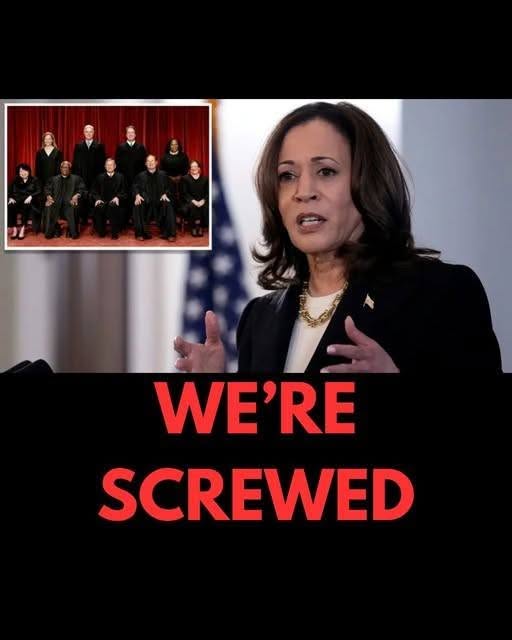
Kamala Harris’ comments about changing major parts of the American political system have opened another fierce argument over power, representation, and the rules that decide who governs.
Her remarks touched several of the most sensitive issues in national politics: expanding the Supreme Court, eliminating the Electoral College, and supporting statehood for Washington, D.C., and Puerto Rico. To critics on the right, those ideas are not routine reforms. They see them as an attempt to rewrite the rules after losing battles over courts, elections, and congressional power.
Republicans quickly framed the proposals as a threat to long-standing institutions. Their argument is that changing the size of the Supreme Court or ending the Electoral College would weaken checks that protect smaller states and political minorities. In that view, the push is less about fairness and more about gaining a partisan advantage.
Why the Reaction Was So Intense
The anger is rooted in a larger fight over whether America’s political system still reflects the public fairly. Conservatives often argue that institutions such as the Electoral College and the Senate are part of the constitutional balance between states, not problems to be removed.