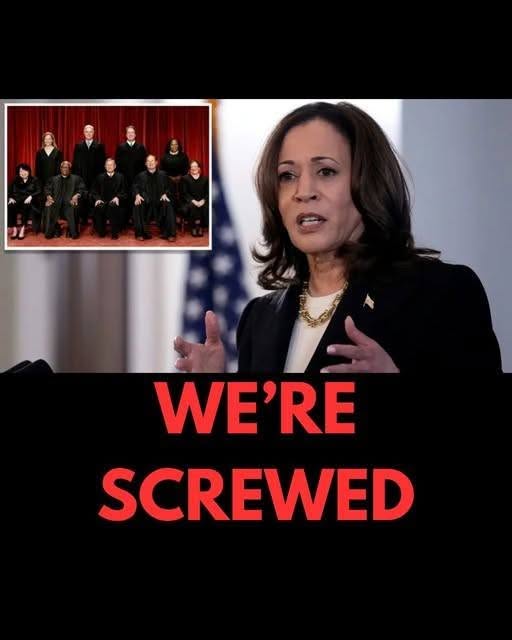
Many Democrats and progressives see it differently. They argue that redistricting fights, court decisions, and the Electoral College can reduce the influence of urban voters and communities of color. Harris’ criticism of Republican map-drawing as “back-dooring racism through politics” reflects that broader frustration.
Rep. Alexandria Ocasio-Cortez has also used forceful language around these institutional battles, drawing comparisons to earlier periods of national conflict. That kind of rhetoric signals how far both sides believe the stakes have risen.
The Bigger Picture
This debate is not just about one speech or one politician. It is about whether the country’s governing rules are seen as legitimate by both sides. Once voters believe the system itself is stacked against them, every election fight becomes more difficult to settle.
Changes like Supreme Court expansion or abolishing the Electoral College would require enormous political momentum and, in some cases, major constitutional hurdles. Statehood for D.C. or Puerto Rico would also carry long-term consequences for Congress, federal policy, taxation, and representation.
That is why the reaction has been so sharp. These proposals would not simply affect campaign strategy. They could reshape how federal power is distributed for decades.
What Happens Next
For now, the issue is likely to remain a political dividing line rather than an immediate legislative reality. Republicans will continue using the reform push as evidence that Democrats want to alter the system. Progressives will continue arguing that the current system already gives too much power to certain voters and institutions.
The deeper question is whether either side can make a case that restores public trust, rather than simply escalating the fight. As this debate grows, readers should watch not only what politicians propose, but what rules they are willing to defend when power shifts.