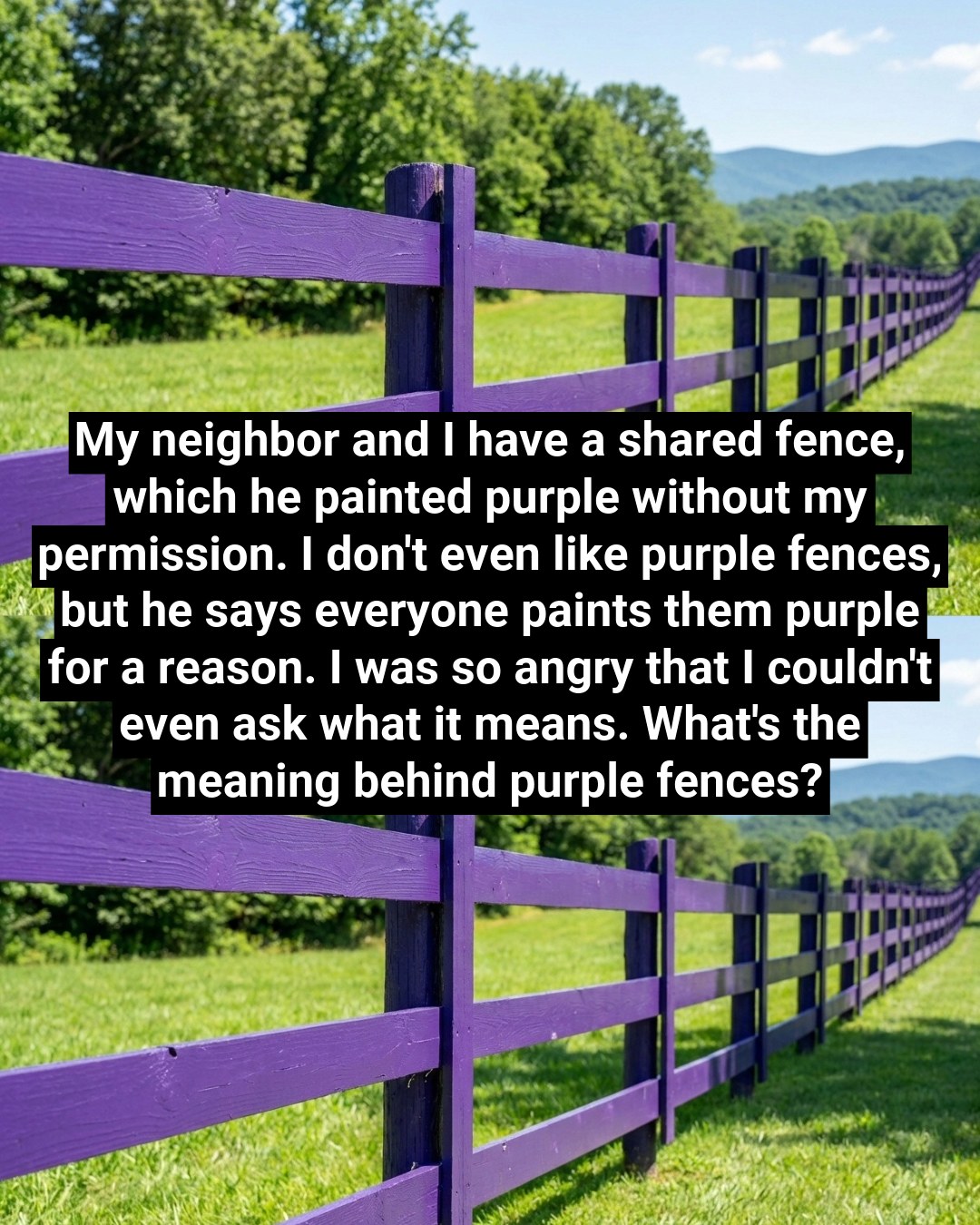
Why Landowners Are Switching from Signs to Paint
For years, the standard approach was metal or plastic No Trespassing signs. The problem is that signs don’t last:
- They get stolen, vandalized, or used for target practice
- Sun and weather fade them until they’re unreadable
- Replacing them across large acreage becomes expensive and time-consuming
Purple paint is a more durable, low-maintenance alternative. It’s also harder to remove quickly, which makes it a practical boundary marker for large rural properties, hunting land, timber tracts, and farmland.
Why the Color Purple?
Purple isn’t common in natural woodland scenery, so it stands out on bark and fence posts. It’s also easier to spot in low light—early morning and late evening—when many people are most active outdoors.
And importantly, it’s been standardized in law in multiple states, giving it a clear legal meaning rather than being “just paint.”
What Purple Paint Typically Looks Like (Common Requirements)
Exact rules vary by state, but many statutes describe markings similar to:
- Vertical paint stripes (not horizontal)
- Often around 1 inch wide and at least 8 inches long
- Placed roughly 3 to 5 feet above the ground
- Repeated at regular intervals along the boundary (often around every 100 feet)
Some states also require marks near common entry points like gates, corners, or access trails. The key idea is consistency: repeated purple markings signal a clear property line.
What Happens If You Cross a Purple Marked Boundary?
If you cross into land that’s properly marked under a purple paint statute, it can be treated the same as ignoring a posted sign or entering through a closed gate. Depending on the state and situation, consequences may include:
- Fines and court costs
- Misdemeanor trespassing charges
- A criminal record that can affect employment or background checks
- More serious charges if other factors are involved (for example, refusing to leave when told)
This is especially important for hunters and anglers, since being on private land without permission can trigger additional legal trouble tied to licensing rules and local regulations.
A Growing Patchwork: Not Every State Uses Purple Paint
One reason people get caught off guard is that purple paint laws aren’t nationwide, and the requirements aren’t identical everywhere. Outdoor travelers who cross state lines for hiking, hunting trips, camping, or off-road recreation can easily assume the markings are meaningless—until they aren’t.
Practical rule: if you see purple stripes on trees or posts, treat it as a hard stop. Turn back unless you have clear permission to be there.
Why This Trend Is Expanding in 2026
As rural land becomes more developed and outdoor recreation grows, more landowners are drawing firm boundaries—partly for privacy, and partly due to liability concerns and property damage. Paint-based marking is inexpensive, durable, and legally enforceable, which is why more states are considering or strengthening these rules.
In other words: this isn’t a passing trend. It’s becoming a standard tool for protecting private property.
Bottom Line: Purple Paint Is a Legal Warning
That bright purple stripe isn’t a quirky choice or a random splash of color. In many states, it’s a clear legal message: private property—do not enter without permission. Respecting it can save you from a costly mistake and a situation that escalates fast.
CTA: Have you seen purple paint markings where you live or hike? Share what state you’re in and what you noticed—and if you want, tell us your best tip for staying on legal trails so other readers can avoid trouble.