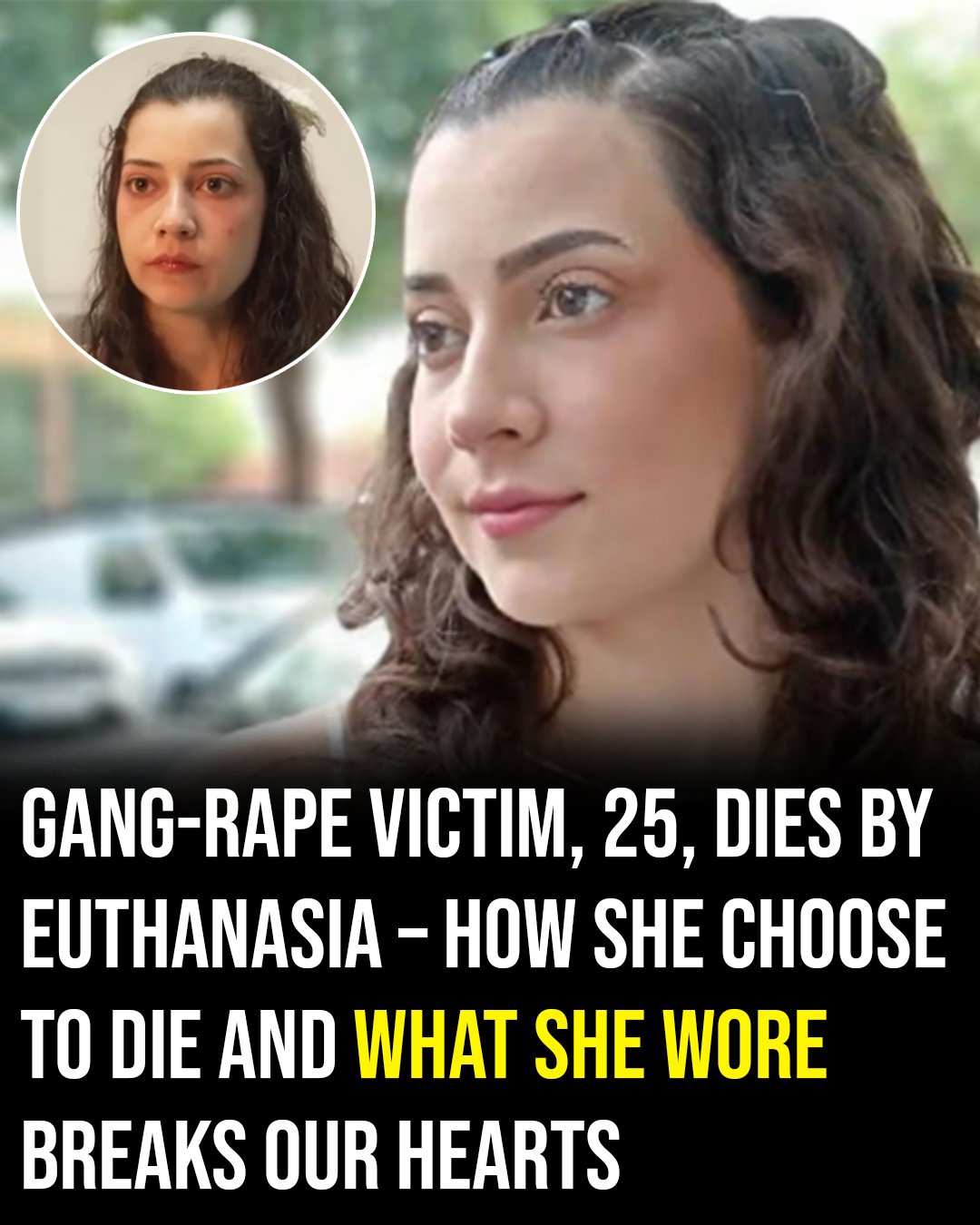
After the second assault, Noelia attempted suicide by jumping from a fifth-floor window. She survived—but the injuries left her paralyzed from the waist down, adding severe physical limitations and chronic pain to the psychological suffering she had already carried for years. From that point on, her daily reality reportedly became a mix of constant physical discomfort and persistent emotional distress.
Spain’s Euthanasia Law—and a Legal Battle That Reached the Highest Courts
Spain legalized euthanasia in 2021 for people with conditions considered serious and incurable, under a regulated medical process designed to evaluate consent and eligibility. Noelia’s request, however, quickly became one of the most closely watched assisted dying cases in the country.
Her father mounted a sustained court challenge to prevent the procedure. Backed by conservative legal groups, he argued that his daughter’s vulnerability and mental health history meant she could not make an irreversible decision safely. The case escalated through Spain’s judicial system and was ultimately pushed toward European-level review.
On the other side, Noelia maintained that she understood the decision clearly and that attempts to block it only prolonged her suffering. In the end, the courts repeatedly upheld her right to decide—reinforcing a major principle in healthcare law: bodily autonomy, even when family members strongly disagree.
Her Final Hours at Sant Camil Hospital
Noelia spent her last hours at Sant Camil Hospital near Barcelona. Accounts of those final moments describe a heavy, quiet atmosphere—less dramatic than the headlines, but emotionally intense for everyone involved.
She reportedly remained firm in her decision, describing a desire for the kind of “peace” she felt had been out of reach for much of her life. To her, the procedure was not framed as giving up—it was a final act of control and dignity after years of feeling powerless.
In preparation, she chose details that mattered to her: wearing a favorite dress, doing her makeup, and keeping personal photographs close—small, human choices that reflected identity beyond illness, beyond courtrooms, beyond public debate.
A Family Divided—and a Quote That Captured the Heart of the Case
The case also exposed how assisted dying decisions can fracture families. Her father continued fighting the process. Her mother, despite reportedly opposing euthanasia, stayed close during Noelia’s final night—choosing presence over distance in a moment that offered no easy moral answers.
One statement attributed to Noelia cut through the noise and captured the core tension in these cases: the needs of relatives, however heartfelt, can collide with the lived reality of the person suffering. Her message was blunt and personal—insisting that her life and her pain could not be outweighed by anyone else’s grief.
Why This Case Still Matters: Mental Health, Safeguards, and Ethical Boundaries
Noelia Castillo Ramos’ death reignited a high-stakes argument playing out across Europe and beyond:
- Supporters say that refusing assisted dying to people with unbearable psychological suffering can become another form of cruelty—especially when years of treatment have not brought relief.
- Critics warn that mental illness and trauma can distort decision-making, and they fear that legal euthanasia may fail to protect people who are vulnerable, isolated, or pressured by circumstance.
For policymakers, the debate is about safeguards, ethics, and medical standards. For Noelia, it was about something more immediate: ending what she experienced as an unbreakable cycle of pain—physical and emotional—after a system she relied on had not kept her safe when it mattered most.
Closing Thoughts
This story isn’t just about law or politics—it’s about how society responds to trauma, disability, and mental health when suffering becomes overwhelming. If you have thoughts on how assisted dying laws should work, especially in cases involving psychological pain, share your perspective respectfully.
CTA: What do you think Spain’s case reveals about patient rights and mental health safeguards—should the law be stricter, or more compassionate? Leave a comment and join the conversation.