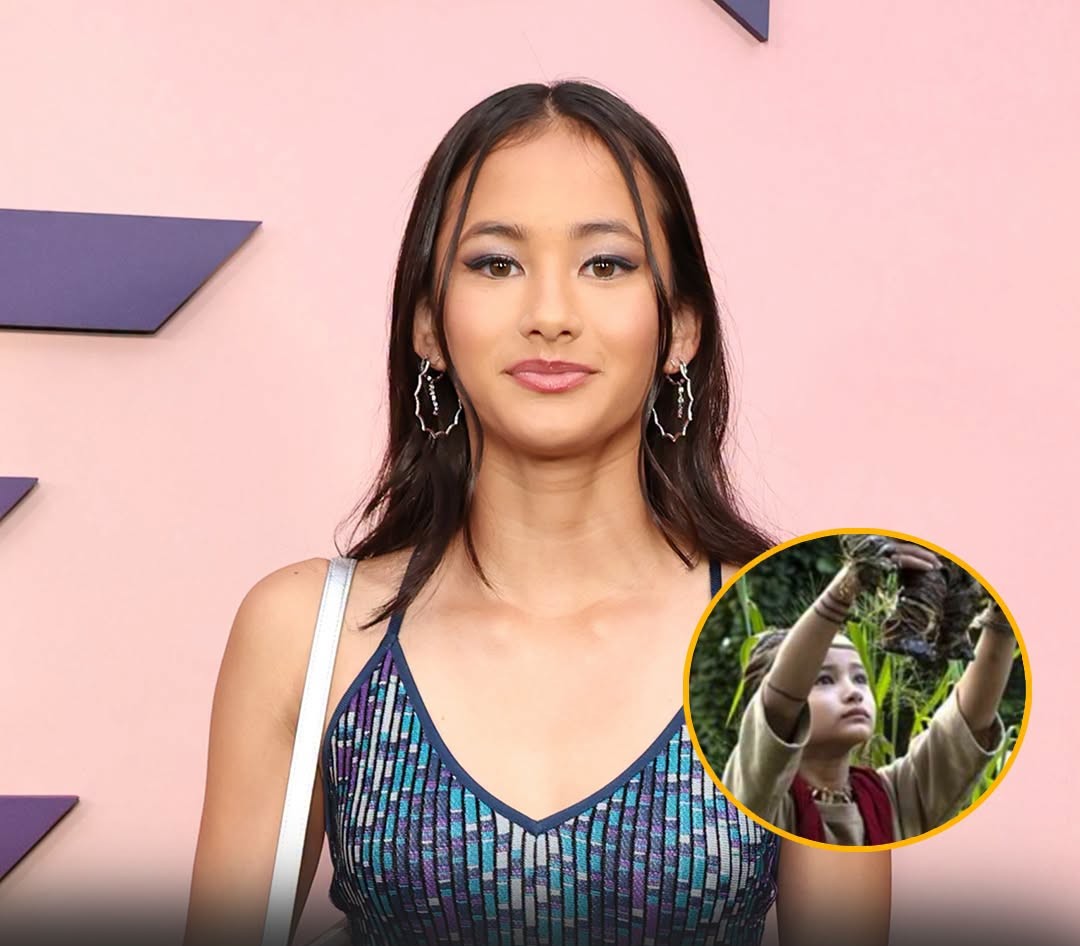
That kind of visibility matters. Young viewers often look to film and television for examples of what is possible. When a major franchise includes performers from communities that are often underrepresented, it can help broaden expectations for casting, storytelling, and audience connection.
Hottle’s work also reminded viewers that inclusion is not just about adding characters. It is about giving performers meaningful roles and allowing their experiences to shape how a story is told.
The Bigger Picture
The response to reports about Hottle shows how strongly audiences can connect with young performers who bring authenticity to the screen. Friends, classmates, colleagues, and fans have remembered her connection to the Texas School for the Deaf and the promise people saw in her early career.
Her role in the Godzilla films remains part of a larger conversation about accessibility and representation in entertainment. While the industry has made progress, opportunities for Deaf actors are still more limited than those available to many hearing performers.
Stories like this also highlight the need for care when sharing information online, especially when it involves a young person and their family. Readers should look for reliable updates and avoid spreading unconfirmed details.
Why This Matters
Whether audiences first noticed Hottle because of the franchise, her performance, or what she represented, the discussion around her work points to something lasting: representation can shape how people see themselves and how industries decide who gets to be seen.
For viewers who connected with Jia, the role remains a reminder that major films can make room for different voices, languages, and lived experiences. That impact is worth remembering as Hollywood continues to decide what inclusion looks like on screen.
Keep reading with care, and keep the conversation focused on respect, representation, and the people whose work made an impression.