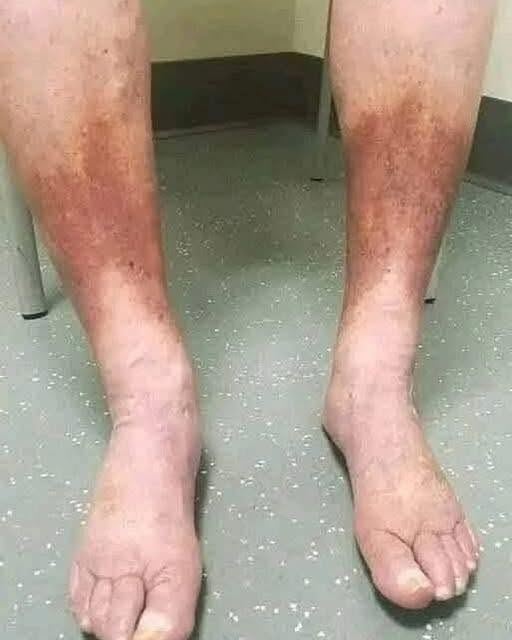
Diet may contribute as well. Sodium helps the body function, but a high-salt diet can lead the body to hold on to extra water. Processed and packaged foods are common sources of sodium, and fluid retention may show up first in the feet, ankles, or lower legs.
Injury is another straightforward cause. A sprain, strain, or misstep can trigger inflammation around the affected area. In that case, swelling is usually linked to pain, tenderness, or a clear event, such as twisting an ankle.
When Swelling May Point to Something More Serious
Persistent or unexplained swelling can sometimes be linked to problems with circulation or major organs that help regulate fluid balance. The heart, kidneys, and liver all play important roles in keeping fluid where it belongs.
If the heart is not pumping efficiently, pressure can build in the veins and fluid may collect in the lower legs. If the kidneys are not filtering excess salt and water properly, the body may retain fluid. The liver also helps produce proteins that keep fluid inside blood vessels, and reduced liver function can contribute to leakage into tissues.
None of this means every swollen ankle is a medical emergency. But swelling that is new, worsening, unexplained, or not improving with simple measures should not be ignored. A healthcare provider can evaluate the pattern, review medications and health history, and decide whether testing is needed.
What Readers Should Know
Some warning signs call for prompt medical attention. Swelling in one leg that is much greater than the other can be concerning, especially if it is accompanied by pain, warmth, or redness. One possible cause is deep vein thrombosis, or DVT, a blood clot in a deep vein that can become dangerous if it travels to the lungs.
Swelling with fever, redness, warmth, or significant tenderness can also suggest infection, such as cellulitis, and should be assessed by a medical professional. Another sign to notice is pitting edema, where pressing a finger into the swollen area leaves a dent that remains for a short time.
Seek emergency care if swelling occurs with chest pain, shortness of breath, severe weakness, or symptoms that feel sudden and alarming. Those combinations can point to more serious heart, lung, or circulation issues.
For mild, occasional swelling, basic habits may help. Elevating the feet above heart level for short periods, taking walking breaks, flexing the ankles during long periods of sitting, staying hydrated, and reducing excess sodium can support healthier fluid balance. Compression socks may also help some people, though anyone with circulation problems or ongoing medical conditions should ask a healthcare professional before using them regularly.
Swollen feet are not always a sign of danger, but they are worth paying attention to. If the pattern changes or the swelling comes with other symptoms, it is better to ask questions early than to overlook an important health clue.