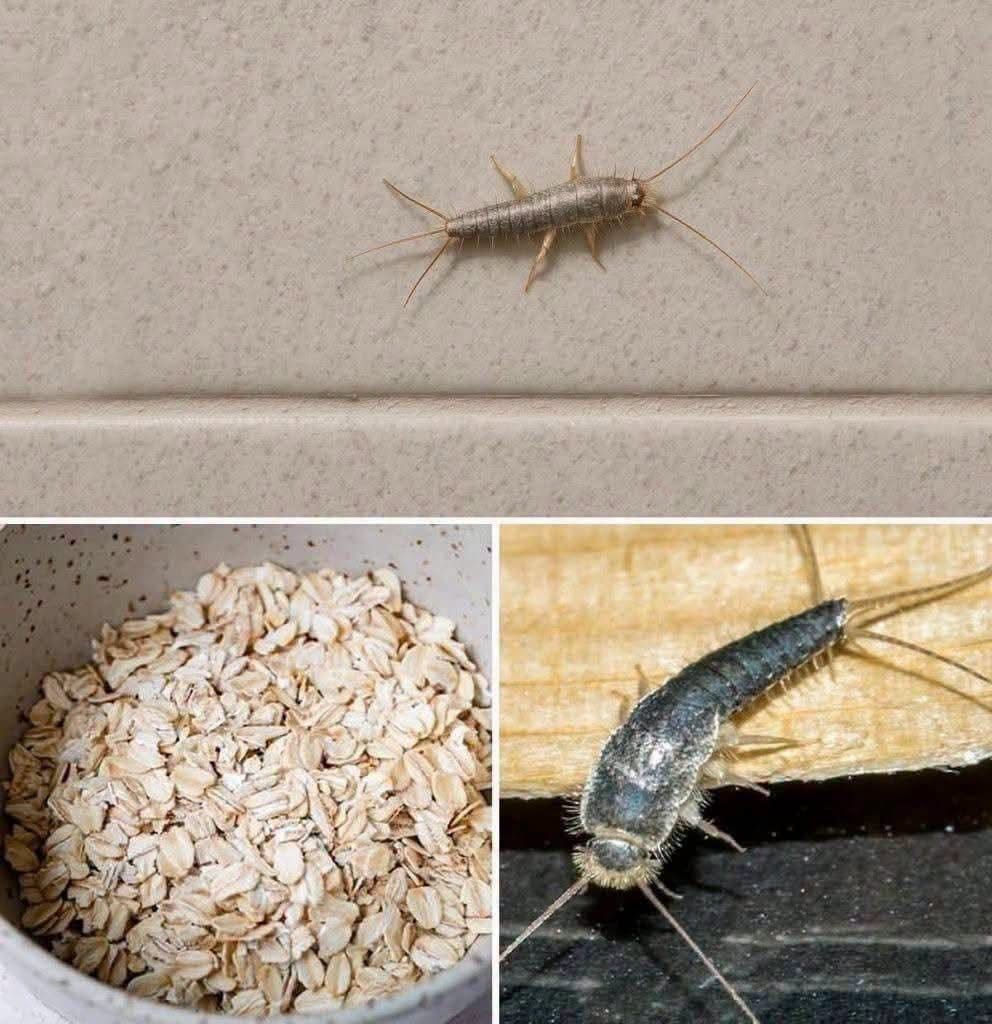
These insects feed on materials that contain starches and carbohydrates. That can include paper, cardboard, wallpaper, book bindings, crumbs, and some stored foods. Over time, signs may include shed skins, tiny scales, droppings, or minor damage to books, photographs, clothing, and paper products.
What To Do First
The most helpful first step is to look for moisture. Check for leaking pipes, dripping faucets, condensation, or areas with poor ventilation. Running bathroom fans, improving airflow, and using a dehumidifier in consistently damp spaces can make the environment less attractive to silverfish.
Storage habits can also make a difference. Cardboard boxes, stacks of newspapers, and piles of paper give silverfish places to hide and possible food sources. Keeping closets, cabinets, and storage rooms organized can reduce those opportunities.
Regular cleaning helps, too. Vacuum along baseboards, inside cabinets, behind appliances, and near plumbing openings. Sticky traps may help identify where silverfish are most active and whether the problem is continuing after moisture and clutter are reduced.
Why This Matters
Finding silverfish does not mean your home is dirty. In many cases, it means there is excess humidity or a small maintenance issue that should be corrected before it becomes more costly. A slow plumbing leak or persistent dampness can create other home problems if ignored.
If silverfish keep appearing after you address moisture, improve ventilation, and clean likely hiding areas, it may be time to contact a licensed pest professional. They can help determine whether the activity is isolated or part of a larger pest issue.
A single silverfish is not a reason to panic, but it is a good reason to take a closer look at the damp, quiet corners of your home.