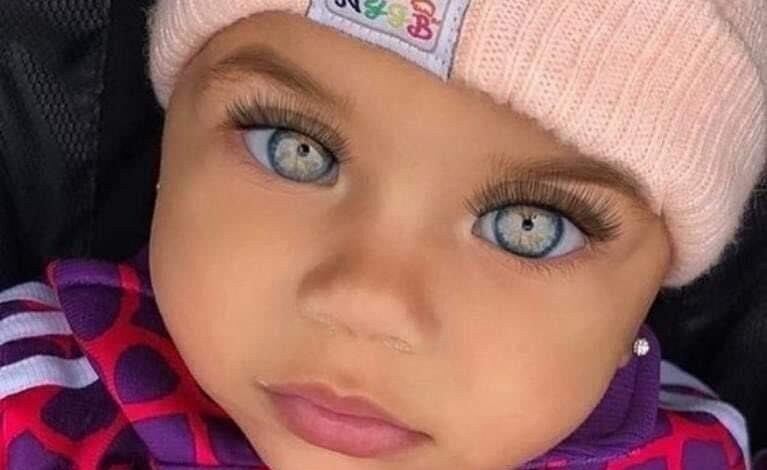
Over time, she began to create distance from that narrow public identity. She did not simply disappear, but she became more selective about what she shared and how she allowed herself to be seen. That shift mattered. It moved her away from being treated as an object of public fascination and closer to being recognized as a person with limits.
The Difference Between Being Seen and Being Watched
There is a real difference between being seen and being watched. Being watched can feel passive, especially when attention comes with judgment and control. Being seen allows for choice. It leaves space for personality, ideas, growth, and boundaries.
That distinction became central to her story. Instead of letting one childhood label define her entire future, she began reshaping the terms of her public life. She explored work and experiences that were not based only on a single image. She also protected parts of her life that did not need to become content for public consumption.
For anyone who has grown up online, her experience feels especially relevant. Today, children can become visible through modeling, entertainment, family social media accounts, or viral posts before they fully understand the lasting impact of digital attention. Once an image travels across the internet, it can be difficult to control where it goes or how long it remains part of the public record.
The Bigger Picture
Her story points to a larger issue in entertainment and media: the business of attention often moves faster than the emotional needs of the people being promoted. When children are involved, the responsibility is even greater. Publicity, brand deals, modeling work, and online exposure may create opportunity, but they can also blur the line between a child’s career and a child’s right to privacy.
That is why her decision to set boundaries feels meaningful. It is not just a personal choice; it is a reminder that early fame should not give the public permanent access to someone’s identity. A child who becomes famous still deserves the chance to grow, change, and step away from a role they never fully chose.
Today, she is no longer just the face attached to an old headline. She represents something more lasting: the possibility of taking back control after years of being defined by others.
Her story leaves a simple question worth considering: when the world turns a child into an image, who protects the person behind it?