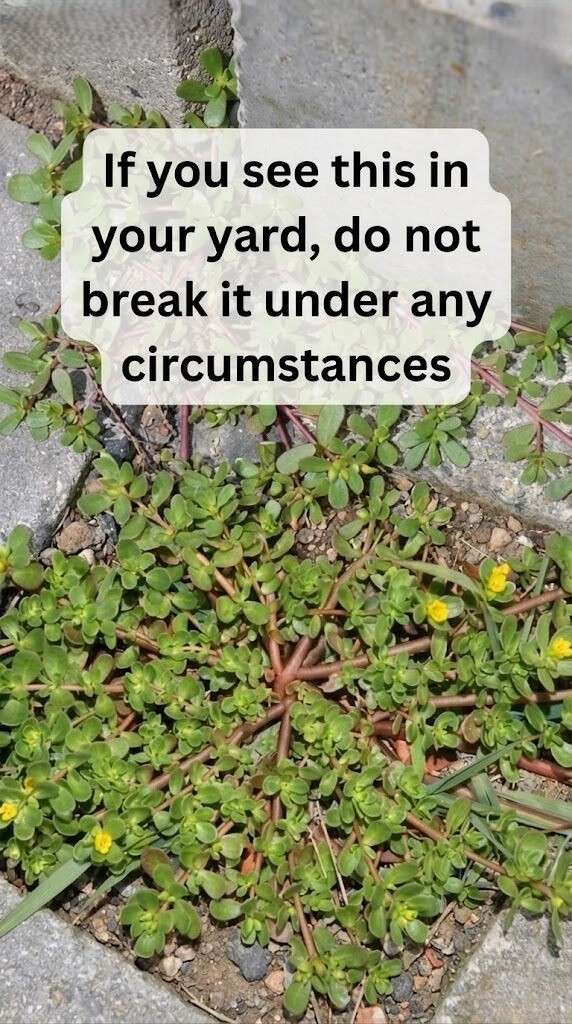
Purslane: The Overlooked Backyard Green With More Omega‑3s Than Most Leafy Vegetables
It’s the plant many homeowners spend years yanking out of sidewalk cracks and flower beds—fast-growing, low to the ground, and seemingly impossible to eliminate. But that “nuisance weed” may be one of the most underrated nutrient-dense leafy greens you can eat. Meet purslane (Portulaca oleracea): a succulent wild edible that’s been used in traditional cuisines for centuries and is now getting fresh attention for its impressive nutrition profile.
Unlike trendy greens that come with premium price tags at upscale grocery stores, purslane often grows on its own with minimal effort. It has thick, slightly reddish stems, smooth paddle-shaped leaves, and small yellow blooms that open in warm sunlight. Even better, it thrives in tough conditions—poor soil, high heat, and drought—making it a smart option for anyone interested in sustainable gardening and low-maintenance edible landscaping.
A Rare Plant Source of Omega‑3 Fatty Acids
Purslane’s standout feature is its naturally high level of plant-based omega‑3 fatty acids, especially alpha-linolenic acid (ALA). Most people associate omega‑3s with salmon, sardines, fish oil supplements, chia seeds, or flaxseed. Purslane is unusual because it offers omega‑3s in a fresh, leafy form—something most greens simply don’t provide in meaningful amounts.
In practical terms, adding purslane to meals can be an easy way to support a heart-smart eating pattern, since omega‑3s are commonly linked with healthy inflammatory balance and overall cardiovascular wellness. (As always, nutrition needs vary, and it’s smart to speak with a healthcare professional if you’re managing a medical condition.)