Antioxidants for Immune Support and Healthy Aging
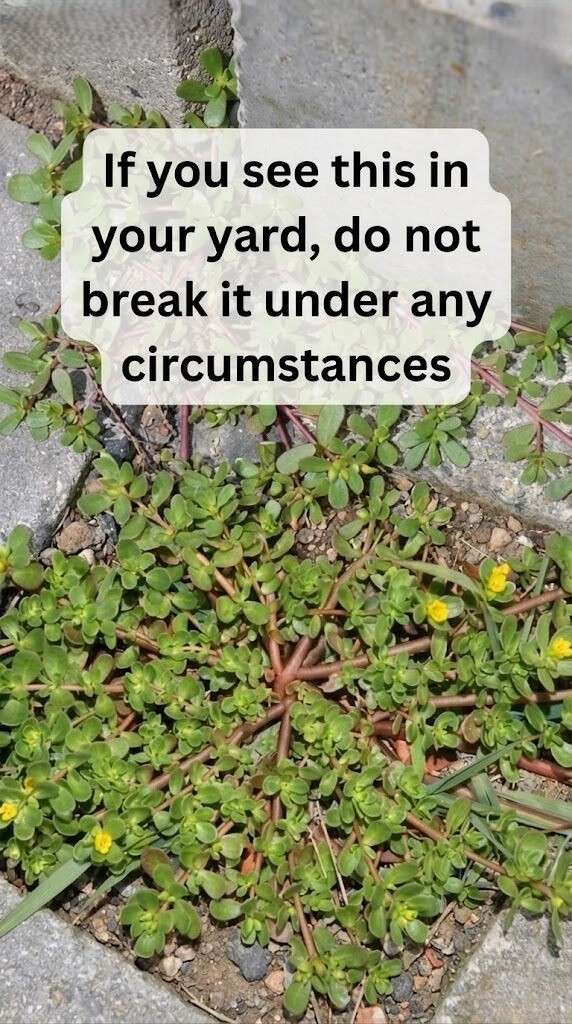
This backyard green isn’t just about healthy fats. Purslane also contains a strong mix of antioxidants and key vitamins that many people try to get from expensive “superfood” blends:
- Vitamin C to support immune function and collagen production
- Vitamin E to help protect cells from oxidative stress
- Beta-carotene (a precursor to vitamin A) for eye and skin health
Researchers have also identified naturally occurring compounds in purslane, including glutathione (often discussed in wellness circles as a major antioxidant) and small amounts of melatonin, a compound associated with the body’s sleep-wake cycle. While the exact impact of these compounds from food can vary, it’s one more reason purslane is gaining attention as a functional, nutrient-rich plant.
Minerals That Support Energy, Muscles, and Blood Pressure
Modern diets often run low on essential minerals—especially when meals rely heavily on ultra-processed foods. Purslane helps fill that gap with minerals your body uses every day, including:
- Magnesium (important for muscle function, energy metabolism, and nerve signaling)
- Potassium (supports fluid balance and healthy blood pressure)
This combination is particularly helpful for people focused on heart health, stress support, and overall daily performance.
Promising Interest for Metabolic Wellness
Another reason purslane is being studied more closely: early research has explored its potential role in supporting metabolic health, including how the body handles glucose. Some studies suggest purslane contains plant compounds that may help support healthy insulin function. More research is still needed, but the interest is growing—especially among people looking for natural ways to support balanced blood sugar alongside a doctor-approved plan.
What It Tastes Like (And How to Eat It)
Purslane isn’t a “grin and bear it” health food. It’s genuinely enjoyable—crisp, juicy, and slightly tangy. Many people describe the flavor as a refreshing mix of cucumber with a lemony bite.
You can eat the stems, leaves, and even the small flowers. Easy ways to use purslane include:
- Chopped raw in salads for crunch
- Lightly sautéed with olive oil and garlic
- Mixed into omelets or scrambled eggs
- Blended into smoothies with fruit
- Pickled for a bright topping on sandwiches and tacos
A Smart Choice for Sustainable, Low-Water Gardening
From an eco-friendly perspective, purslane checks a lot of boxes. It’s naturally drought tolerant, grows without heavy feeding, and typically doesn’t require chemical pesticides. Its spreading growth habit can even help protect soil by acting as living ground cover. Plus, when it flowers, it can attract beneficial pollinators—an added win for a healthy garden ecosystem.
Important Safety Tips Before You Forage
If you plan to harvest purslane yourself, a few precautions matter:
- Harvest from clean areas only—avoid roadsides, parking lots, and places exposed to runoff or chemicals.
- Purslane naturally contains oxalates. If you have a history of kidney stones or have been told to limit oxalates, enjoy it in moderation and ask your clinician what’s appropriate for you. Cooking can reduce oxalate levels.
- Make sure you identify it correctly. If you’re new to foraging, use a trusted guide or consult a local expert.
Once you see purslane for what it is—a resilient, edible plant with serious nutrition—you may never look at that “weed” the same way again.
Want more practical nutrition finds like this? Share in the comments whether purslane grows near you—and if you’d like, tell me what you’d cook with it first.