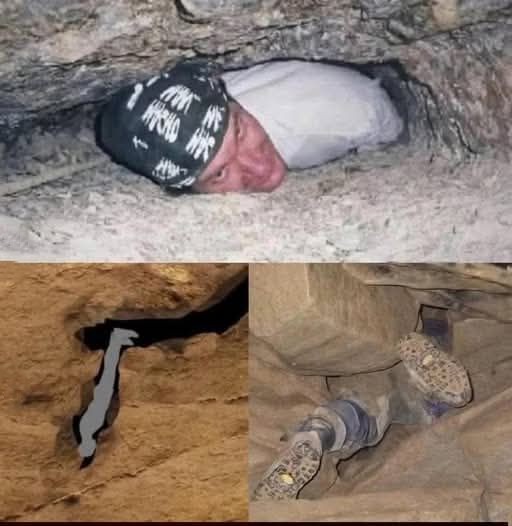
A person trapped in a narrow rock passage is the kind of scene that makes many people uneasy before they even know the details. The danger is easy to understand: stone does not move, space disappears quickly, and the body can become pinned in a position where strength is no longer enough.
Situations like this often begin quietly. A cave opening, a tight tunnel, or a hidden underground passage can look more interesting than dangerous at first. For explorers, the appeal is obvious. There is mystery, challenge, and the feeling of entering a place most people will never see.
But confined spaces can change fast. A route that seems manageable can narrow by inches. A turn can remove the ability to back out easily. A small misjudgment in body position can leave shoulders, hips, or legs pressed against rock with almost no room to adjust.
Why Tight Spaces Become So Dangerous
In a tight passage, the problem is not always a lack of air or a dramatic collapse. Often, the danger comes from limited movement. Arms may not have the angle needed to push. Legs may be stretched behind the body and unable to generate force. The chest may feel restricted simply because there is no room to breathe normally.